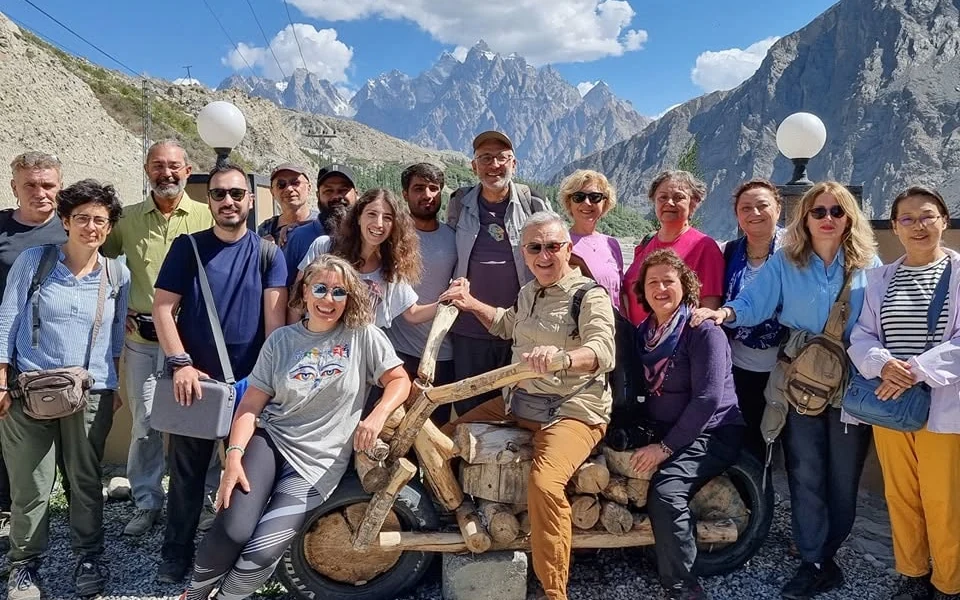
7-Day Hunza Explorer
The 7-Day Hunza Explorer for foreigners costs from USD 850 per person all-private: airport pickup, English-spe…
FromUSD 850
Book Now Belgian guests often value compact, well-structured itineraries that combine heritage villages, mountain scenery and light walking. Hunza works especially well as a seven-day private circuit or as part of a longer Hunza and Skardu journey. Hunza is not a resort destination where every attraction sits beside one hotel. The experience is spread across the Karakoram Highway, Karimabad, Nagar, Attabad Lake, Gulmit, Passu, Sost and Khunjerab, so transport planning matters as much as the hotel choice. For travellers arriving from Belgium, we normally build the trip around the international flight schedule first, then fit the mountain route around realistic driving times, weather and the operating status of domestic flights. The result is a private itinerary rather than a fixed bus departure: your vehicle, sightseeing stops, hotel standard and daily pace are confirmed for your own group.
A first visit normally works best with seven to ten days on the ground. Seven days can cover Islamabad, central Hunza, Upper Hunza and a high-altitude excursion when access allows. Ten to fourteen days provides more breathing room and makes it easier to add Naltar Valley, Nagar, Fairy Meadows, Skardu or extra cultural time. Travellers making a particularly long journey from Belgium should consider one recovery night in Islamabad before the mountain section. That small buffer reduces the risk that a late international arrival, missed connection or weather delay compresses the entire holiday.
Useful departure points include Brussels, Antwerp. Current planning is generally based on typically one stop via Istanbul, Doha, Dubai or another major hub into Islamabad. Indicative journey information is journey time varies by schedule, usually involving one connection, but airline schedules, connection times, baggage rules and operating days can change. Treat routing examples as planning guidance rather than a promise of a particular airline or flight number. Before ticketing, compare the total journey, baggage allowance, transit rules and arrival time in Islamabad. An arrival that lands early enough for rest and a next-day mountain departure is usually more valuable than the cheapest fare with a difficult overnight connection.
From Islamabad there are two practical ways to continue toward Hunza. The first is a domestic flight to Gilgit followed by a private road transfer to Karimabad. This saves road time but remains weather-sensitive. The second is a private road journey on the Karakoram Highway, normally broken sensibly rather than treated as one exhausting sightseeing day. For international guests we prepare a road backup whenever the itinerary depends on a northern flight. This is particularly important when onward hotel bookings, international departures or a short overall trip leave little room for disruption.
A typical seven-day private plan begins with arrival support in Islamabad, followed by the journey north. Central Hunza normally includes Karimabad, Baltit Fort, Altit Fort, Ganish village and viewpoints over the Hunza River and surrounding peaks. Upper Hunza adds Attabad Lake, Gulmit, Hussaini Bridge, Passu village and the Passu Cones landscape. A Khunjerab Pass day can be included when the road and visitor area are accessible, but the high altitude and long drive require an early start and a conservative pace. The new seven-day Hunza and Naltar itinerary offers an alternative for travellers who want alpine lakes, forest scenery and a 4×4 valley excursion in the same week.
We do not recommend forcing every possible stop into one itinerary. The better approach is to decide what matters most: heritage, landscape photography, short hikes, family sightseeing, honeymoon travel, trekking or a broader Pakistan circuit. A private journey allows the guide to protect the main priorities while adjusting smaller stops for weather, road work, seasonal access and the energy level of the group. This is especially useful after a long flight from Belgium, because a technically possible schedule is not always a comfortable one.
Naltar Valley is normally approached from the Gilgit side and is best treated as a dedicated excursion using an appropriate 4×4 for the rougher section of road. The valley is known for pine forest, high mountain scenery and seasonal lake visits. Nagar sits opposite Hunza across the river system and gives a different perspective on Rakaposhi, Hopper Valley and village landscapes. Upper Hunza extends toward Gulmit, Passu, Sost and Khunjerab. These areas are connected, but they should not be rushed into a single day simply because they look close on a map. Our itineraries separate the driving so that sightseeing remains enjoyable rather than becoming a sequence of photo stops from the vehicle.
Travellers who enjoy walking can add easy village walks, the Passu area, glacier viewpoints or a separate guided trek. The new one-day products also make it possible to book a focused Hunza Valley sightseeing day, Nagar Valley day, Naltar Valley day, Passu Cones hiking day or Khunjerab Pass excursion. Day tours are useful for guests who have already arranged their own hotel or who want to add an extra experience to a longer Pakistan trip without buying a complete package.
Mountain driving is one of the most important parts of a Hunza holiday. Vehicle selection depends on group size, luggage, season and route. A standard private car may be suitable for straightforward paved-road touring, while Naltar, Hopper or other rougher side valleys can require a locally appropriate 4×4. Larger families and groups need enough luggage capacity as well as passenger seats. The written quotation should identify the vehicle class and whether special jeep transfers are included or charged separately. We also plan fuel, driver nights, road tolls and realistic rest stops instead of treating transport as an undefined line item.
Road conditions can change after rain, landslides, maintenance or seasonal snow. The driver follows current local information, and the itinerary keeps alternatives available where practical. International travellers should avoid booking a same-day connection from Hunza directly onto a critical international flight. Returning to Islamabad with a buffer is a safer planning choice. This is not wasted time: the capital can be used for rest, local sightseeing, shopping or a meal before the final departure.
Hunza has a wide range of accommodation, from locally run guesthouses to comfortable upper-mid-range and premium properties. Hotel names should be confirmed in writing because room quality can vary even within the same category. Couples may prefer a quieter scenic property, families may prioritise larger rooms and easy vehicle access, and photographers may value a view more than being directly beside the bazaar. In Upper Hunza, location can matter more than star labels because staying near Gulmit or Passu reduces unnecessary backtracking.
Our quotation can specify room type, breakfast basis, heating where seasonally relevant, extra-bed arrangements and whether the property has reliable vehicle access. If a named hotel is unavailable, an alternative should be agreed before confirmation rather than silently substituted. Guests from Belgium who have a strong preference for international-style bedding, connected rooms, elevators or specific accessibility needs should mention that before the hotel is reserved, because mountain properties do not all have the same facilities.
May to October is the broadest sightseeing window. April is known for blossom, September is often clear and comfortable, and October brings autumn colour. Winter trips are possible with a more flexible route and cold-weather planning. Spring is associated with blossom and snow-capped backdrops, early summer brings greener valleys and generally broader road access, mid-summer is popular with domestic travellers, and autumn is known for gold and red foliage. Winter is quieter and visually dramatic but requires a different expectation: shorter daylight, cold temperatures, possible road restrictions and fewer operating services in some side valleys.
The best month therefore depends on the trip rather than a single universal answer. Families often prioritise stable access and comfortable temperatures. Photographers may choose blossom or autumn. Trekkers need the appropriate trail season and local assessment. Travellers connecting the trip with Skardu, Fairy Meadows or a high pass should plan around the most restrictive part of the combined route. Our best time to visit Hunza guide and month-by-month weather guide provide additional planning context.
Visa rules are nationality-specific and can change, so travellers holding a Belgium passport should verify current eligibility and documentary requirements on the official Pakistan Online Visa System before purchasing non-refundable travel. A tour operator can provide itinerary, hotel and invitation documentation when appropriate, but cannot guarantee approval or replace the decision of the Pakistani authorities. Passport validity, transit visas for connecting airports and any additional requirements for children should also be checked independently.
Read the Pakistan visa planning guide before submitting an application. Keep digital and printed copies of the passport bio page, visa approval, travel insurance, emergency contacts and confirmed itinerary. If the route includes a controlled border crossing, trekking permit area or another activity with separate permission requirements, those arrangements must be confirmed specifically; a normal sightseeing booking does not automatically provide permission to cross an international border or enter a restricted zone.
International packages are quoted in USD so travellers can compare the complete service without relying on a changing local-currency conversion. Daily personal spending in Pakistan is normally in Pakistani rupees. Cash remains useful in mountain areas even when cards or ATMs are available in larger towns. Do not rely on a single card or ATM for the whole trip. Keep a modest cash reserve for meals, small shops, tips and incidental expenses, and store money in more than one secure place.
A professional quotation should clearly state hotels, room basis, vehicle, guide service, airport transfers, included meals, sightseeing, special 4×4 transfers, domestic flights if used, entry fees and taxes. It should also state what is excluded, the deposit schedule, cancellation terms and how weather-related changes are handled. International airfare and visa fees should not be assumed to be included unless the written quotation says so. This itemised approach is more useful than choosing a package only because the headline price is lower.
Karimabad is high enough for some visitors to notice the altitude, while Khunjerab Pass rises to about 4,693 metres. A short sightseeing stop at high altitude is different from sleeping there, but headaches, breathlessness or fatigue should still be taken seriously. Hydration, gradual pacing, adequate food and honest communication with the guide are sensible precautions. Travellers with relevant medical concerns should seek individual advice from a qualified clinician before travel rather than relying on a tour itinerary as medical guidance.
Travel insurance should cover the actual activities in the booking, not only ordinary city tourism. If the trip includes trekking, high-altitude hiking, remote roads or domestic flights, read the policy wording carefully. Keep the insurer contact details and policy number available offline. The tour team can assist with local logistics during a disruption, but insurance decisions, medical treatment and evacuation coverage remain governed by the traveller’s policy and the available local services.
Hunza is culturally distinct from Pakistan’s large cities, and respectful behaviour improves the experience. Dress modestly in villages and religious spaces, ask before photographing people, and follow local guidance at heritage sites. English is commonly used in the tourism sector, while Burushaski, Wakhi and Shina are among the regional languages. Food is generally halal, and vegetarian meals can be arranged with notice. Guests with allergies should explain them clearly because kitchen practices and ingredient labelling may differ from Belgium.
Mobile data works in many settled areas but is not uniform across every mountain road or side valley. Download essential documents, maps and contact details before leaving Islamabad or Gilgit. Carry a power bank and do not assume that every scenic stop has reliable connectivity. Responsible travel also means limiting single-use plastic where practical, carrying rubbish back from viewpoints, respecting water use in smaller communities and choosing local guides and services that keep more tourism income in the region.
Layering is more useful than one heavy outfit because temperatures change with altitude, shade and time of day. A practical sightseeing kit includes comfortable walking shoes, a warm layer, light rain or wind protection, sun protection, sunglasses, reusable water bottle, small day bag and any personal medication. For spring, autumn or high-altitude excursions, add warmer clothing and gloves. Trekking itineraries need a separate equipment list based on route and season rather than the same packing list used for a vehicle-based tour.
International visitors should also bring charging adapters compatible with their devices, backup copies of travel documents and enough prescription medication for the full journey plus a small delay margin. Large hard-shell luggage can be inconvenient in smaller vehicles, so travellers combining domestic flights or 4×4 side valleys may prefer a manageable suitcase or travel bag plus a day pack. Your final briefing should explain any special equipment required for Naltar, Passu hiking, trekking or winter travel.
The packages below are starting structures, not rigid group departures. The seven-day Hunza Explorer suits first-time visitors who want the classic valley. The new seven-day Hunza and Naltar Valley tour adds a dedicated Naltar excursion. A ten-day Hunza and Skardu journey works for travellers who want two major mountain regions, while Hunza and Fairy Meadows adds a closer Nanga Parbat experience. Hotel category, arrival date, guide language, pace and extra nights can be adjusted before confirmation.
The 7-Day Hunza Explorer for foreigners costs from USD 850 per person all-private: airport pickup, English-spe…
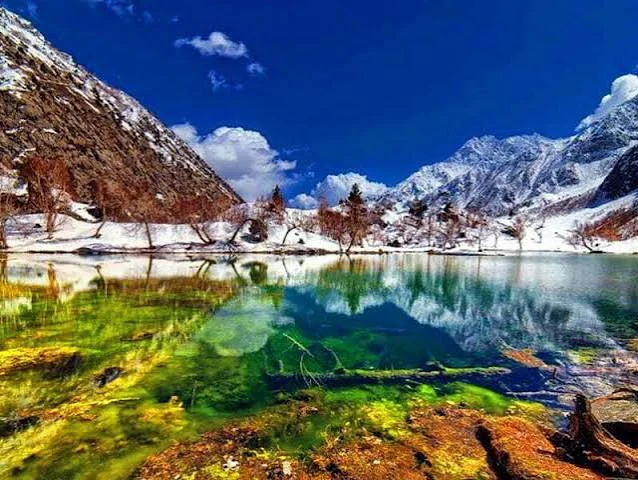
The 7 Days Hunza & Naltar Valley Tour is a private international itinerary from USD 950 per person, combining …
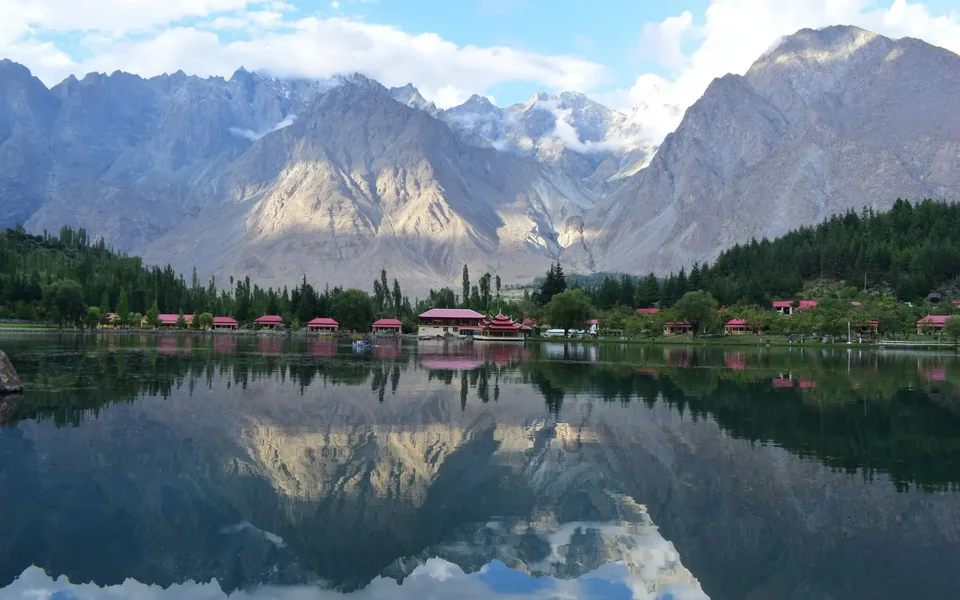
The 10-Day Hunza & Skardu tour for foreigners costs from USD 1,250 per person, combining Hunza's villages and …
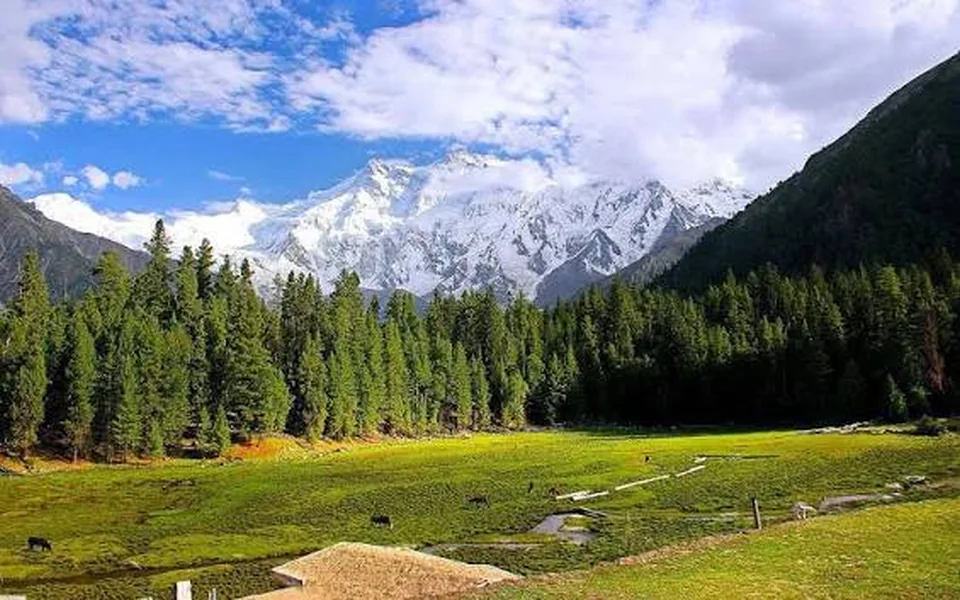
The Hunza Valley & Fairy Meadows Tour costs from USD 1,350 per person for 10 days: combining two of Pakistan's…
Start by sending the intended travel dates, number of adults and children, passport nationality, preferred hotel level and the experiences that matter most. We then match the request to a practical route and prepare a written quotation. Before paying, review every inclusion, the cancellation terms, the road backup for weather-sensitive flights and the final hotel list. After confirmation, keep the operator contact, hotel list and day-by-day plan available offline. If international flights have not yet been purchased, it is usually better to coordinate the mountain itinerary first so the arrival and departure times support the route rather than force unnecessary overnight travel.
For a broader comparison, browse all Hunza tour packages, Hunza trekking options, hotels in Hunza and private transport. This makes it easier to decide whether a complete package or a combination of day tours, hotel booking and private vehicle is the better fit.
Visa eligibility and documentary requirements can change. Check the Pakistan Online Visa System for the current rules that apply to a Belgium passport before buying non-refundable flights. For a confirmed tour, we can provide itinerary and accommodation documents when required, but the visa decision is made by the Pakistani authorities.
Most guests first reach Islamabad, then continue north by a weather-dependent flight to Gilgit plus a road transfer, or by private road transport on the Karakoram Highway. From Brussels, Antwerp, the usual international planning pattern is typically one stop via Istanbul, Doha, Dubai or another major hub into Islamabad. Always verify the actual operating schedule before ticketing.
Seven days is a practical minimum for a first private Hunza trip when international arrival and departure are well timed. Ten to fourteen days gives more flexibility for Naltar, Nagar, Fairy Meadows, Skardu or slower cultural travel, and is especially useful after a long international flight.
Yes. English-speaking guide support can be included in the written quotation. Other language support may be possible with advance notice, but availability is confirmed case by case rather than guaranteed on every departure.
Yes. The international itineraries are designed as private trips unless a group departure is clearly identified. Vehicle size, room configuration, child arrangements and sightseeing pace are adjusted to the confirmed travellers.
May to October is the broadest sightseeing window. April is known for blossom, September is often clear and comfortable, and October brings autumn colour. Winter trips are possible with a more flexible route and cold-weather planning.
Ask for a written itinerary and itemised quotation showing hotel category, room basis, vehicle, guide service, meals, entry fees, domestic flights if any, cancellation terms and the road backup for weather-sensitive flights. International airfare and visa approval should be treated separately unless explicitly included.
Travel conditions can change after a country page is published. Recheck visa eligibility through the Pakistan Online Visa System, road information through the National Highway Authority, and relevant local notices through the Government of Gilgit-Baltistan. Confirm all flight schedules directly with the operating airline. The final written itinerary should use current conditions for your actual travel dates.