 Best Value
Classic Hunza Tours
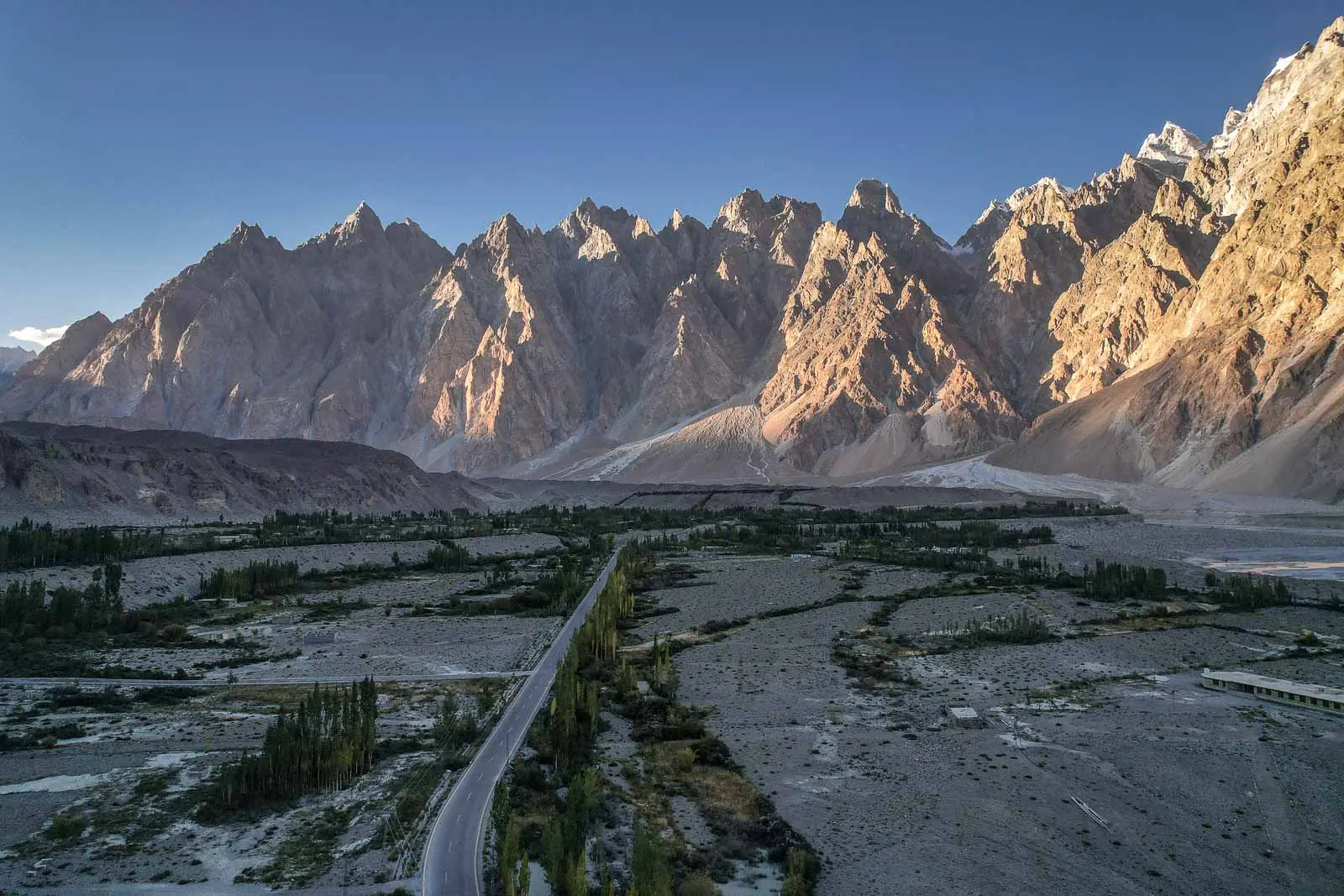
7-Day Hunza Explorer
Karimabad, Attabad Lake, Passu Cones and Khunjerab Pass: airport pickup, e-Visa support and a relaxed private pace.
FromUSD 850 / person
Book NowFully private trips through the Karakoram: your own guide, driver and vehicle, selected hotels and Pakistan e-Visa document support. From USD 850 for international travellers and PKR 29,500 for Pakistani families.
Comparing Hunza tours? Start with 47 focused Hunza tour packages for international travellers, Pakistani families, couples and small groups. The complete collection contains 73 tour and trek products, while broader Pakistan, festival and K2 programmes are kept in their specialist sections. Packages can include airport pickup, private transport, selected hotels, guide support and Pakistan e-Visa assistance, with final arrangements confirmed for your dates and route.
Guide languages: English is standard. Selected French, German, Italian, Spanish, Chinese, Japanese or Arabic assistance may be arranged with advance confirmation.
Explore private Hunza tour packages designed for international travellers: couples, families and small groups arriving from abroad. Choose from short 3 to 5 day escapes, complete 7 to 10 day Hunza journeys, cultural experiences, honeymoon tours, seasonal blossom and autumn trips, trekking programs and tailor-made Pakistan extensions. Every itinerary can be customised around your travel dates, hotel preference, arrival airport and sightseeing interests.
Best ValueKarimabad, Attabad Lake, Passu Cones and Khunjerab Pass: airport pickup, e-Visa support and a relaxed private pace.
 Hunza + Naltar
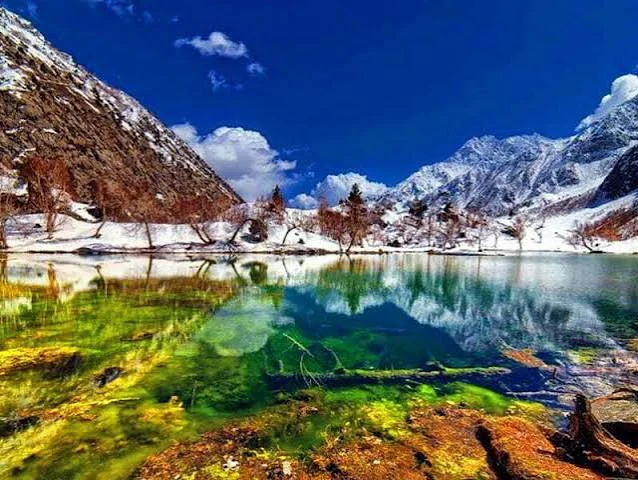
Private international itinerary combining Karimabad, Upper Hunza, Khunjerab and a dedicated Naltar Valley 4x4 excursion.
 Culture
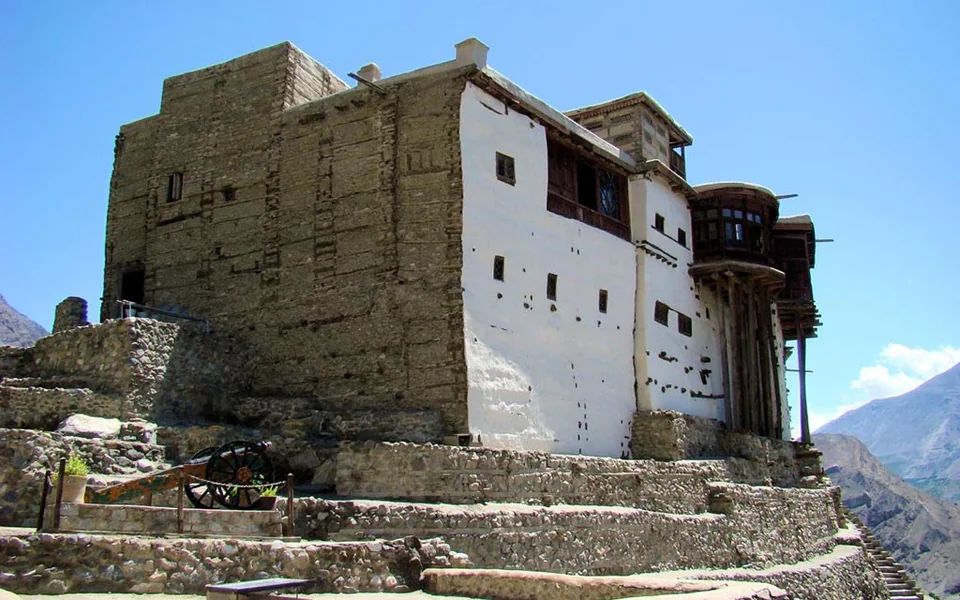
Village life, Ganish, Altit and Baltit heritage, local food, music and crafts: plus Attabad and upper Hunza scenery.
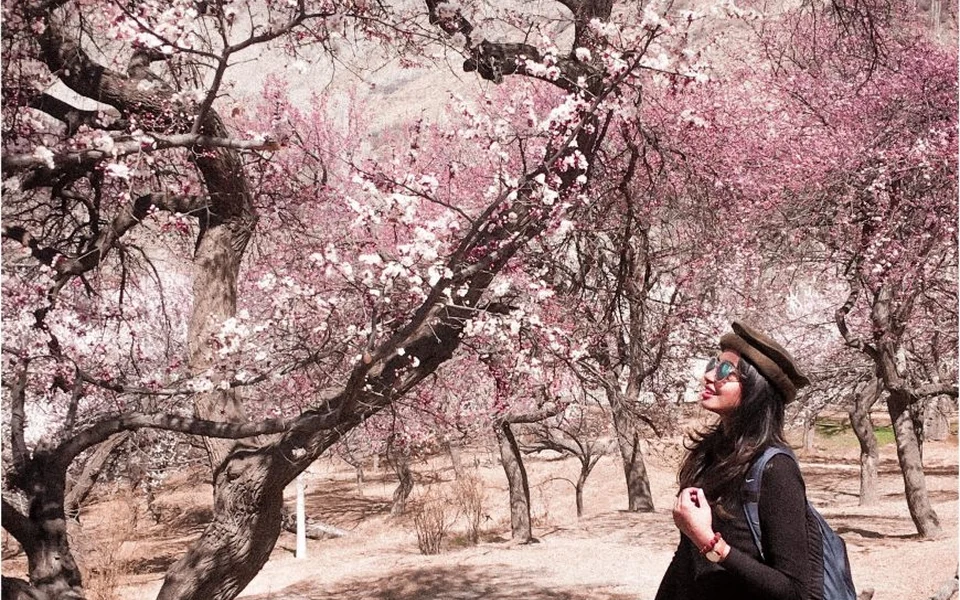 Spring Special
Experience Hunza Valley during spring blossom season with Karimabad, Altit, Baltit Fort, Attabad Lake, Gulmit, Passu and Nagar orchards at a relaxed photography-friendly pace.
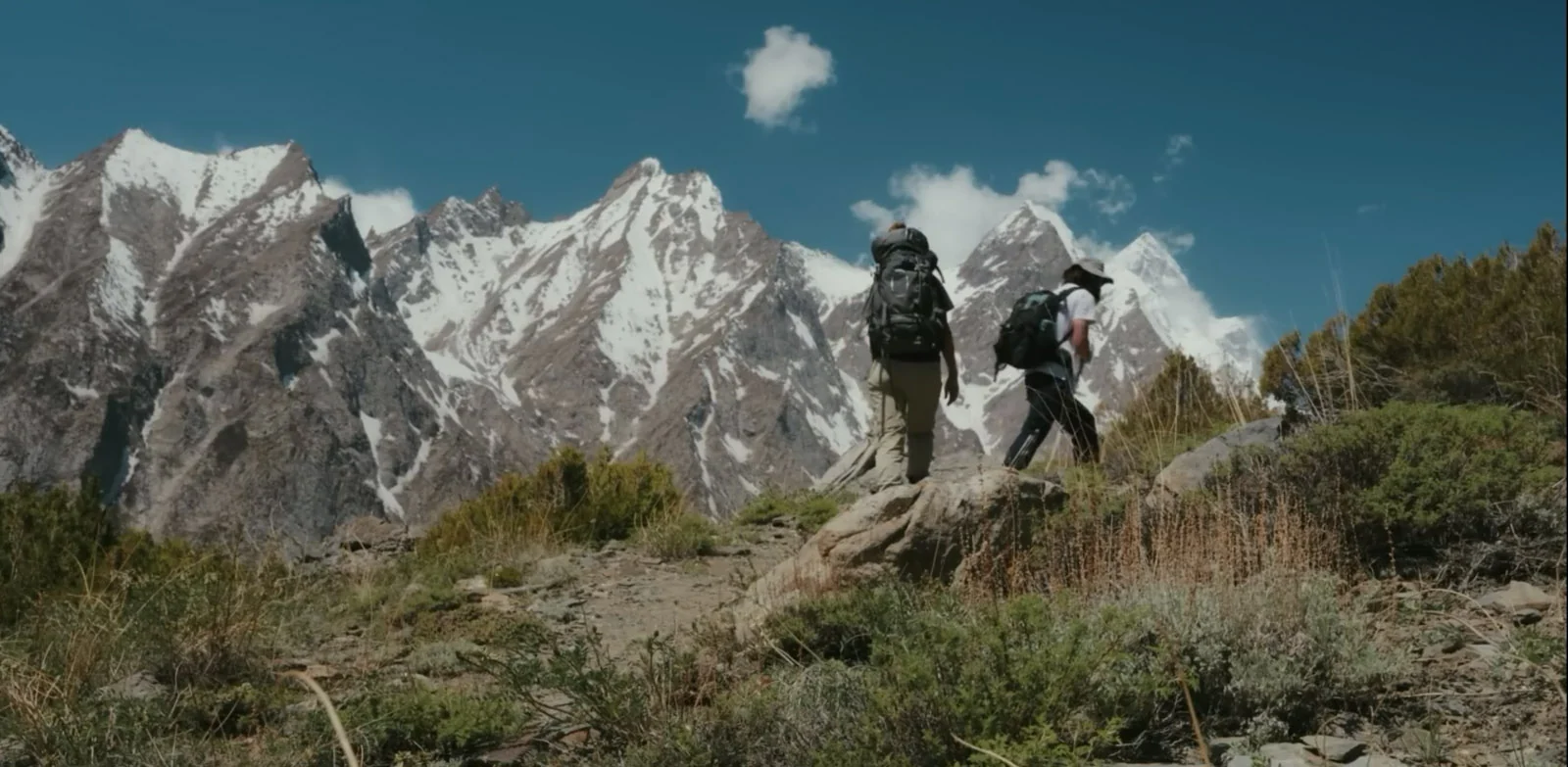
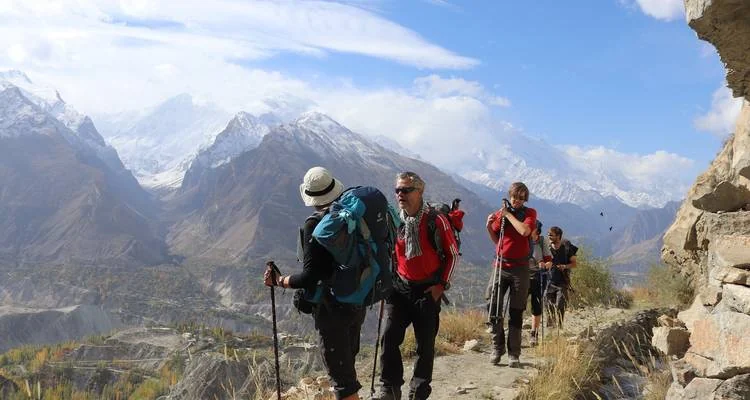
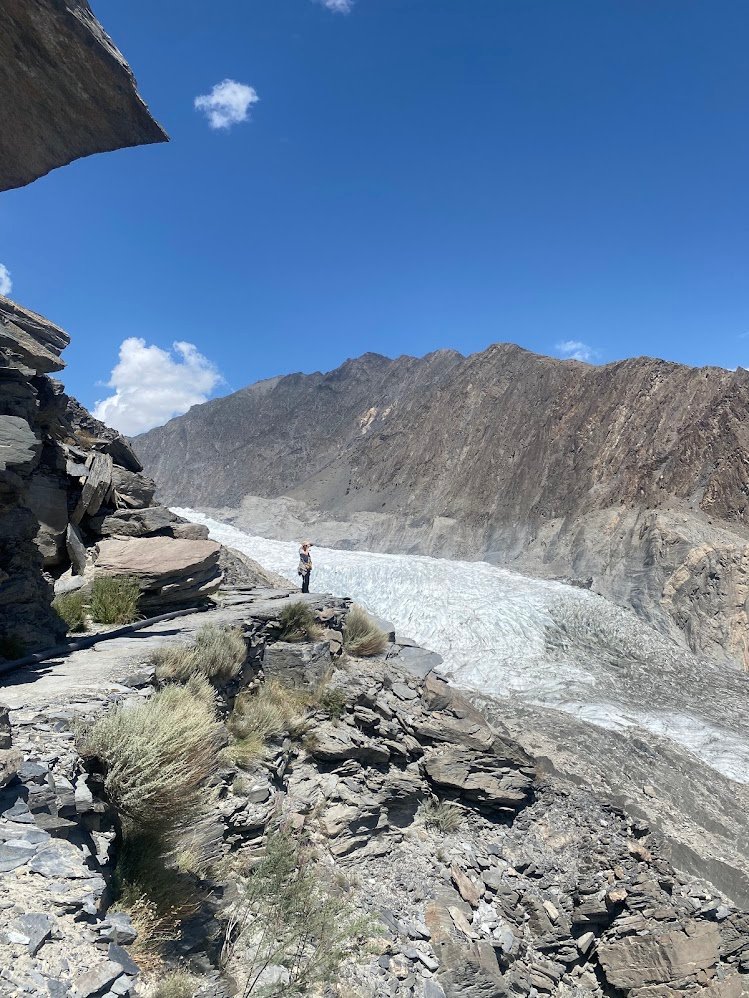
Hunza offers rewarding mountain walks ranging from hotel-based glacier viewpoints to supported multi-day treks. Our local routes include Rakaposhi Base Camp from Minapin, Patundas above Passu, Passu Glacier, Hopper Glacier, Ultar Meadow, Batura Glacier, Rush Lake and Shimshal. Planning accounts for walking time, altitude, trail conditions, weather, guide support and seasonal access. Depending on the route, the package can include private road transport, hotels, village guesthouses, camps, porters, kitchen staff, meals and shared group equipment. Before confirmation, we review fitness, equipment, insurance and the practical season for the chosen trail. Private pacing is available for photographers, families and experienced hikers.
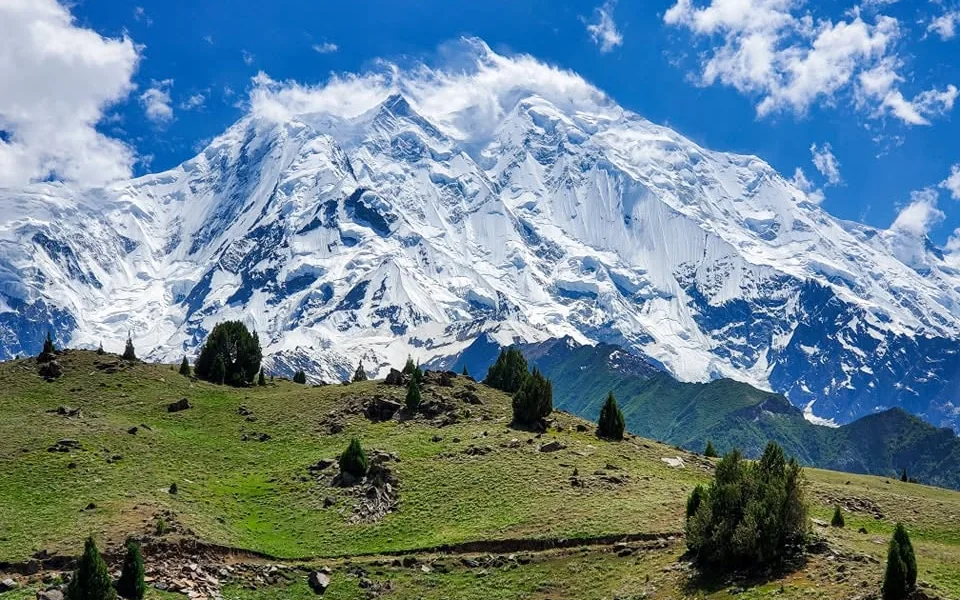 3,500 m
Minapin to Tagaphari meadow, camping face-on with Rakaposhi’s 7,788 m north face: the classic Hunza trek.
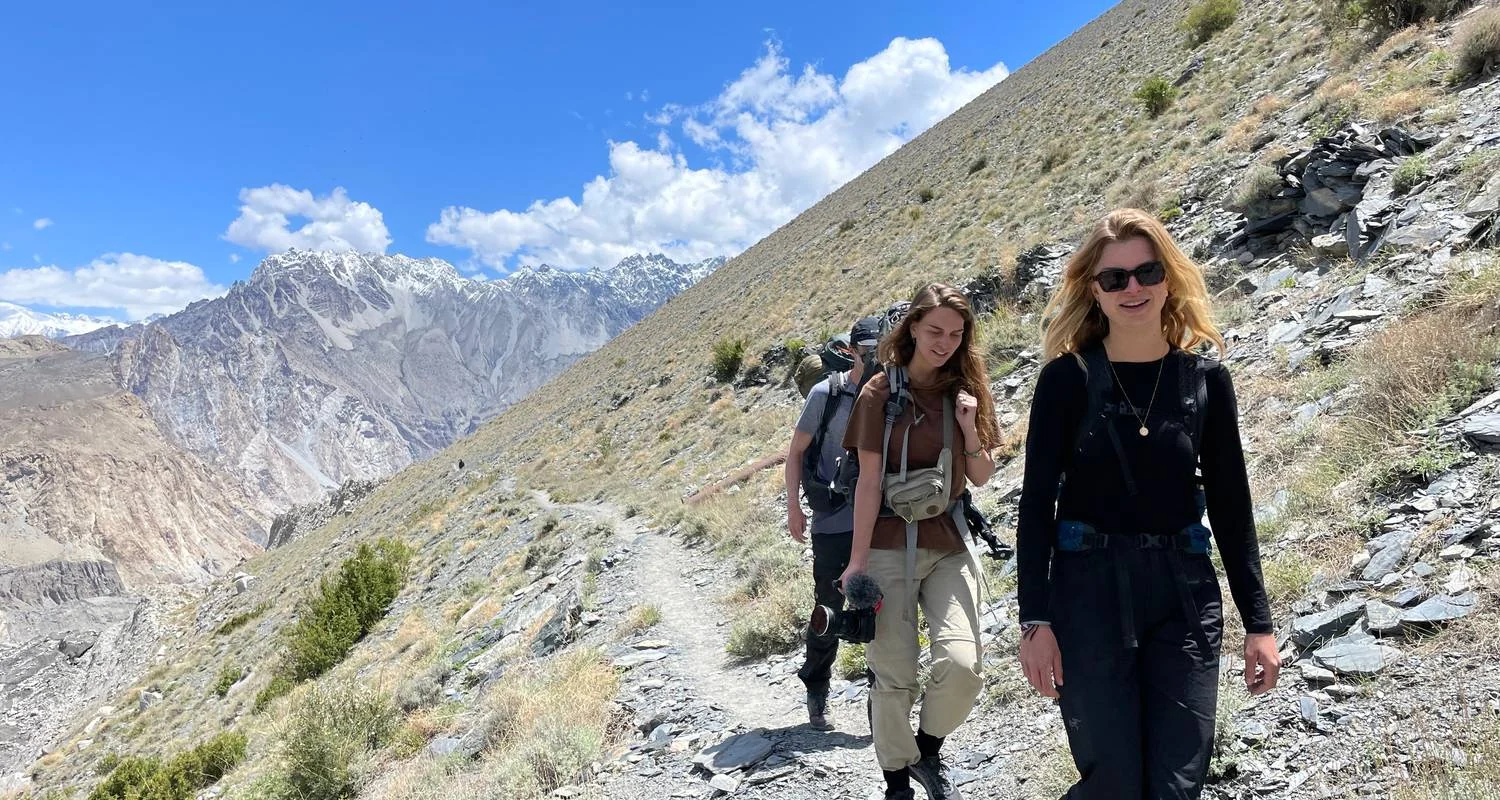 4,100 m
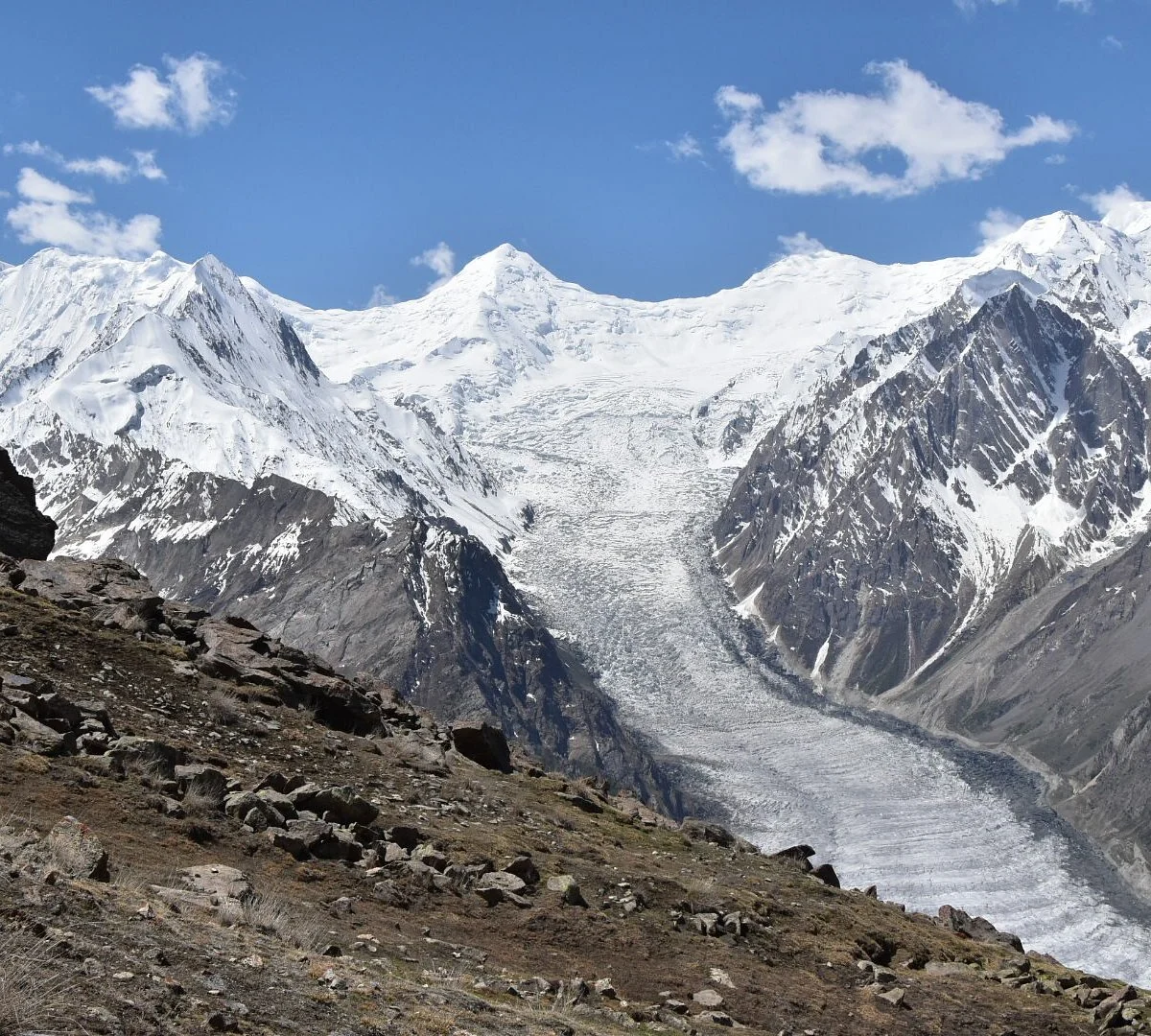
Cross the white Passu Glacier to a 4,100 m plateau with a 360° amphitheatre of Batura Wall peaks.
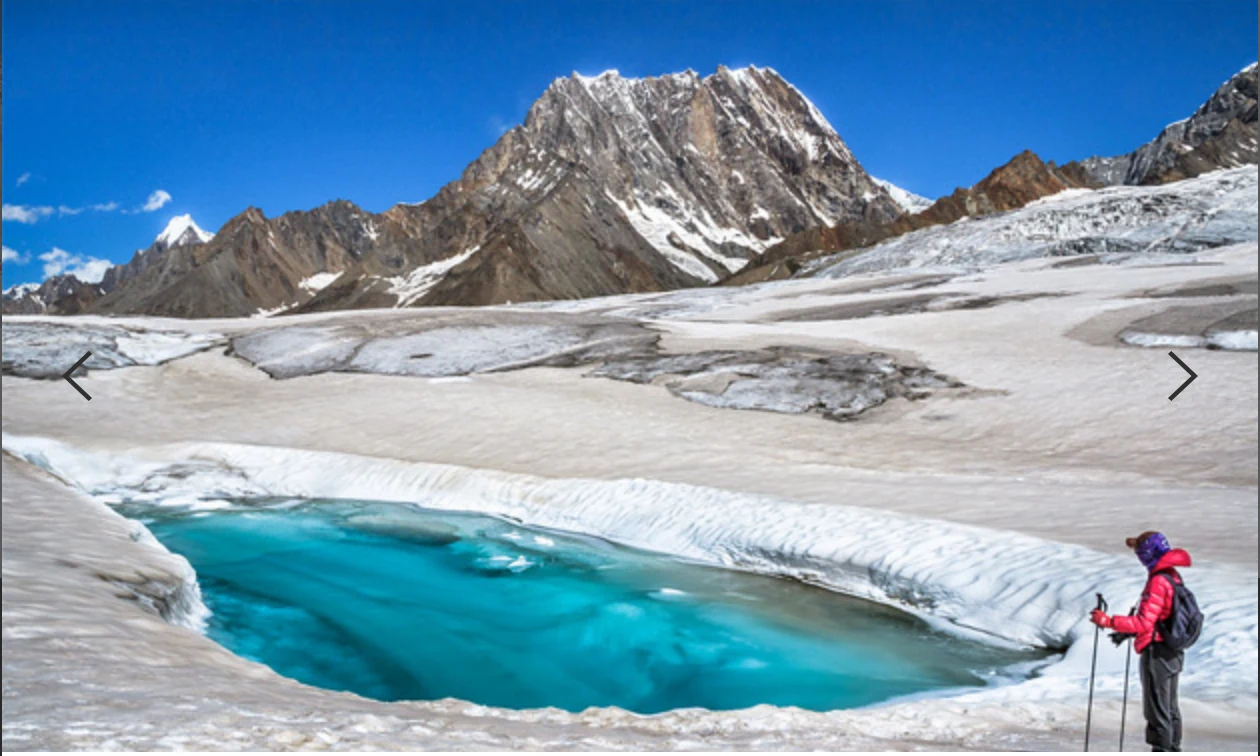 2,850 m
Hotel-based glacier and village trek: Passu, Gulmit, Borith Lake and upper Hunza viewpoints: no camping.
 2,900 m
Scenic Nagar Valley trek with the Hopper Glacier viewpoint plus Karimabad sightseeing: best-value glacier trip.
 3,300 m
Trek straight from Karimabad bazaar into the gorge beneath Ultar Sar and Lady Finger Peak.
 4,100 m
Guided treks around Rakaposhi and Passu wrapped in the full cultural circuit: English guide, hotels, camps.
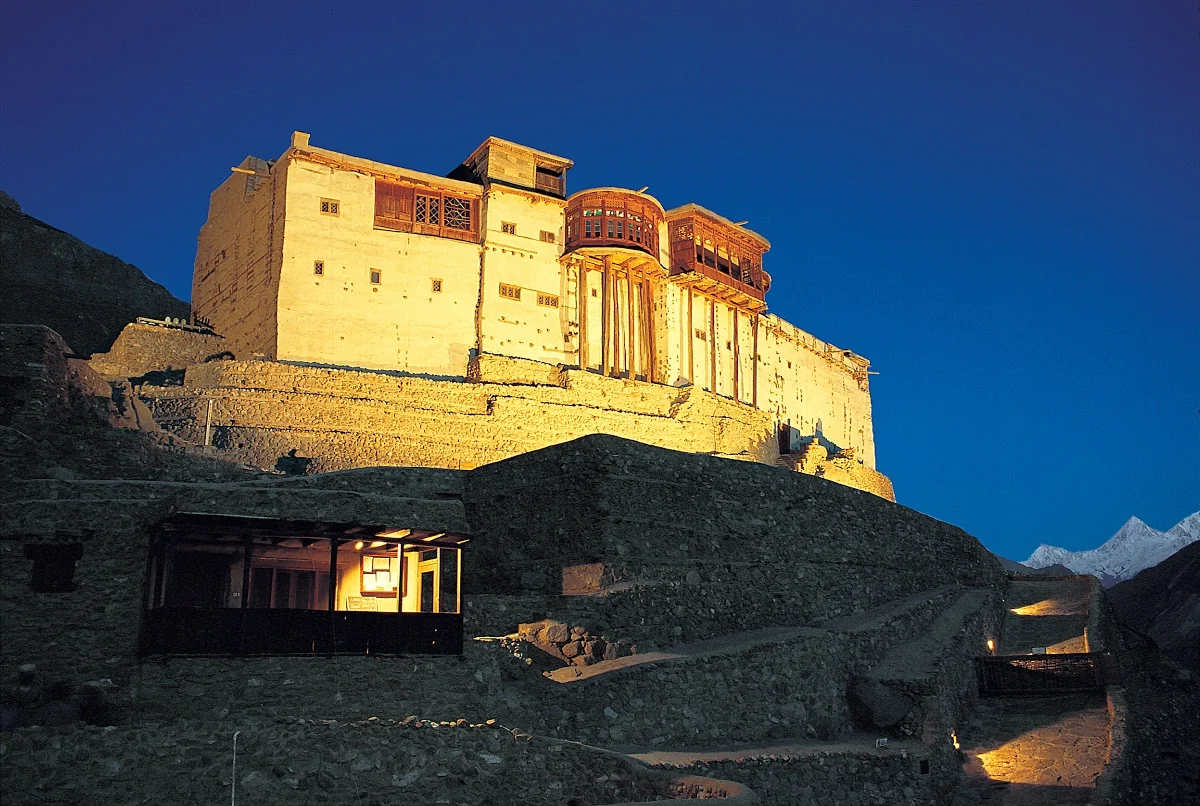
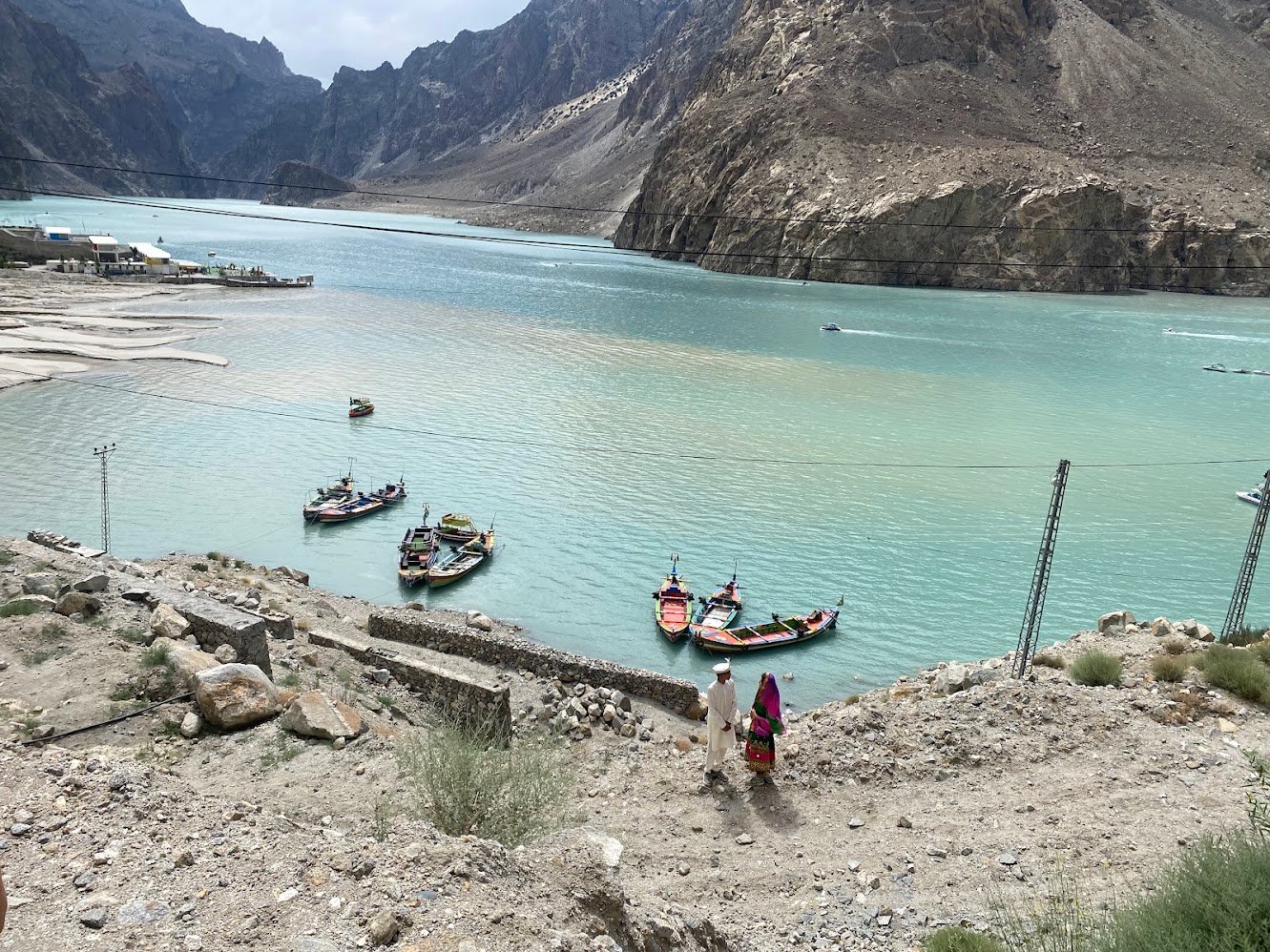
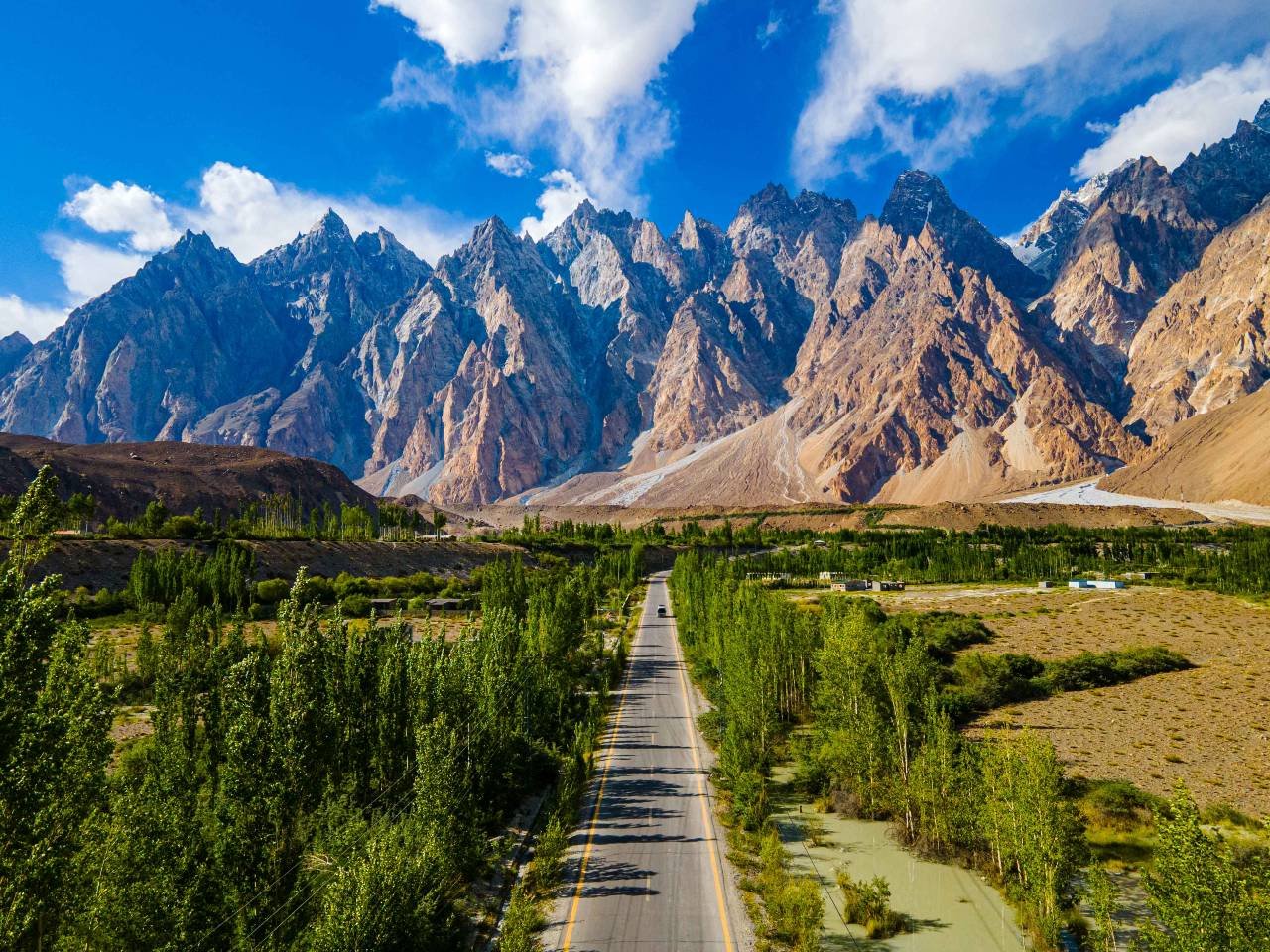
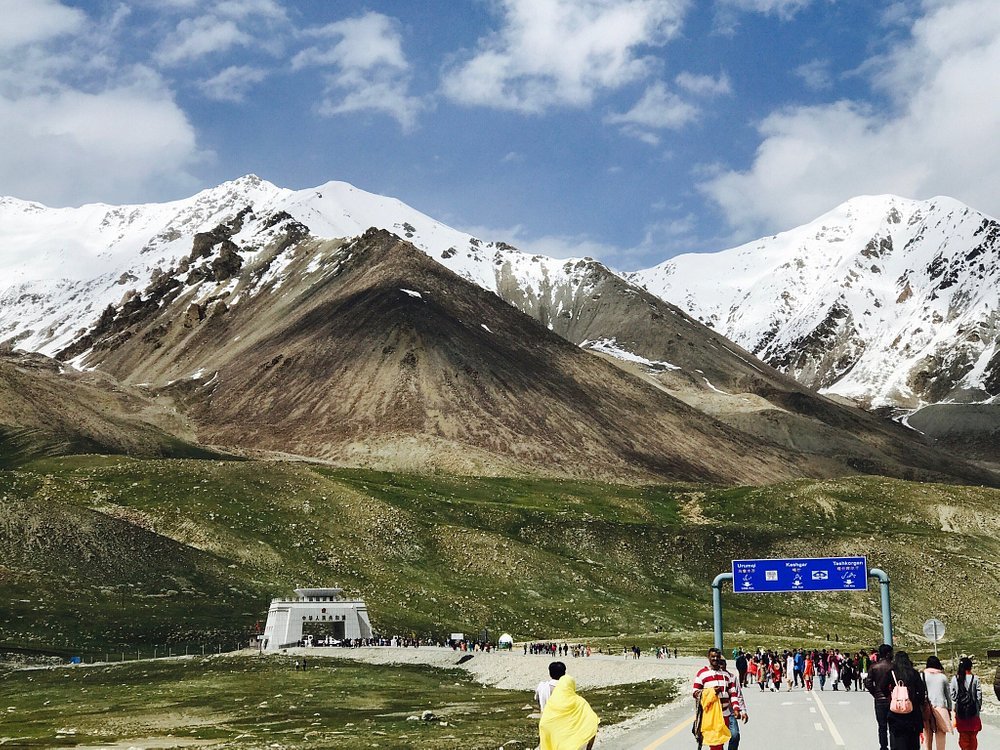
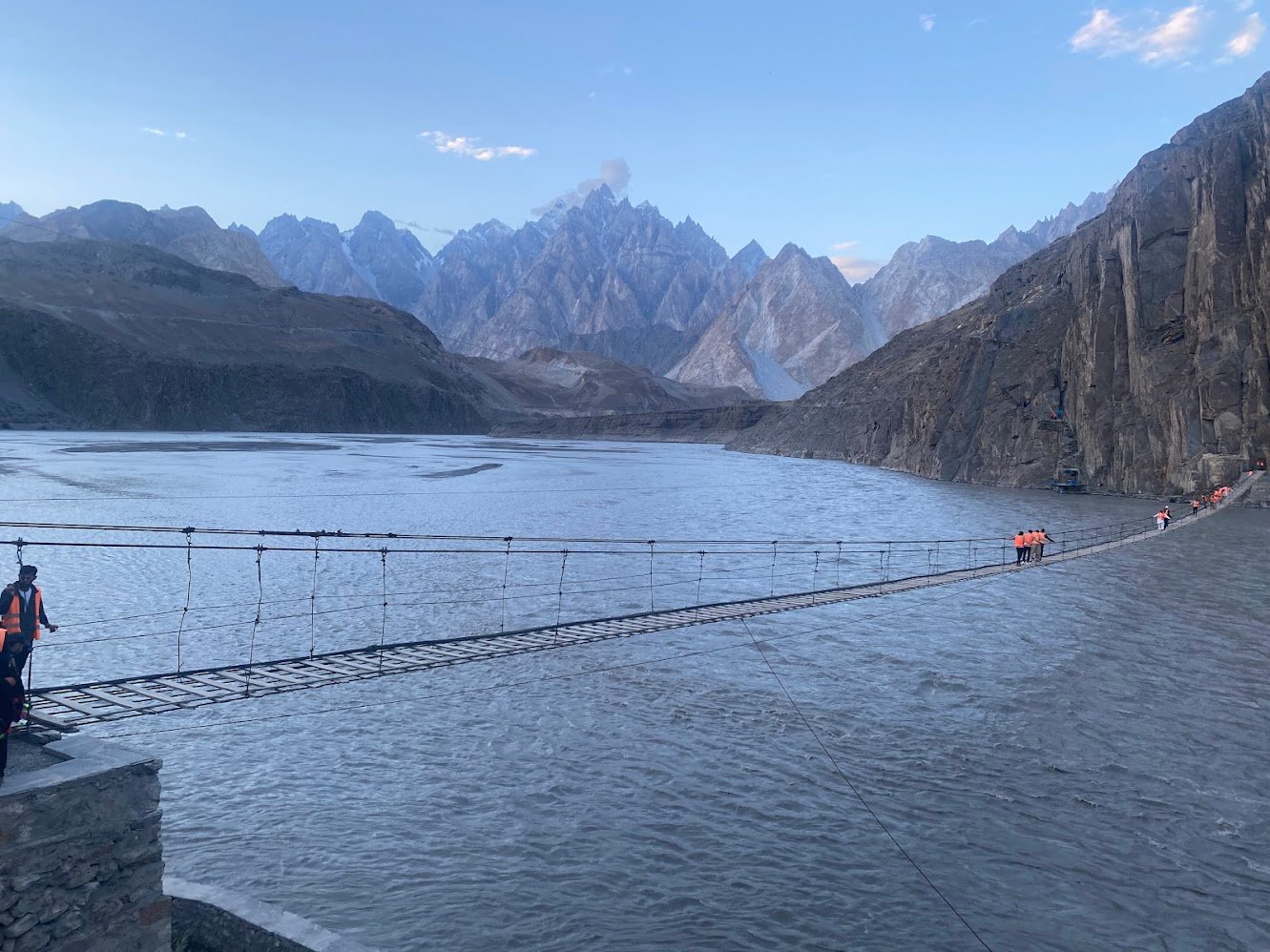
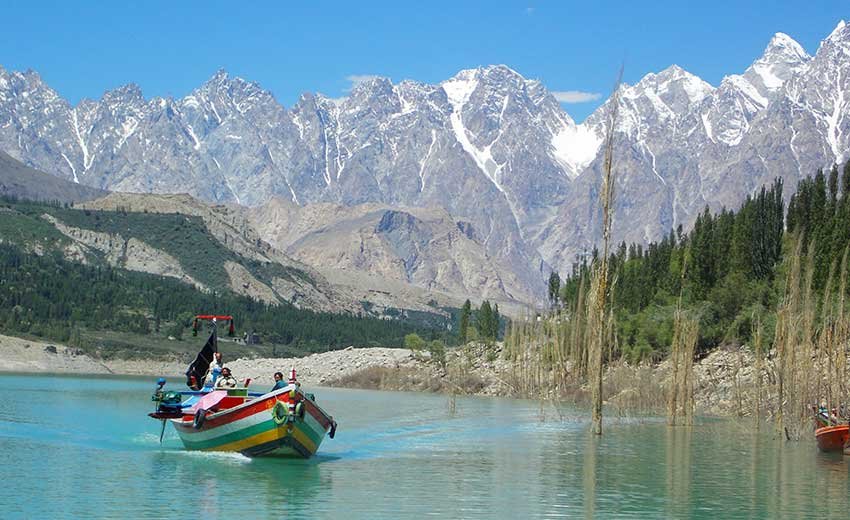
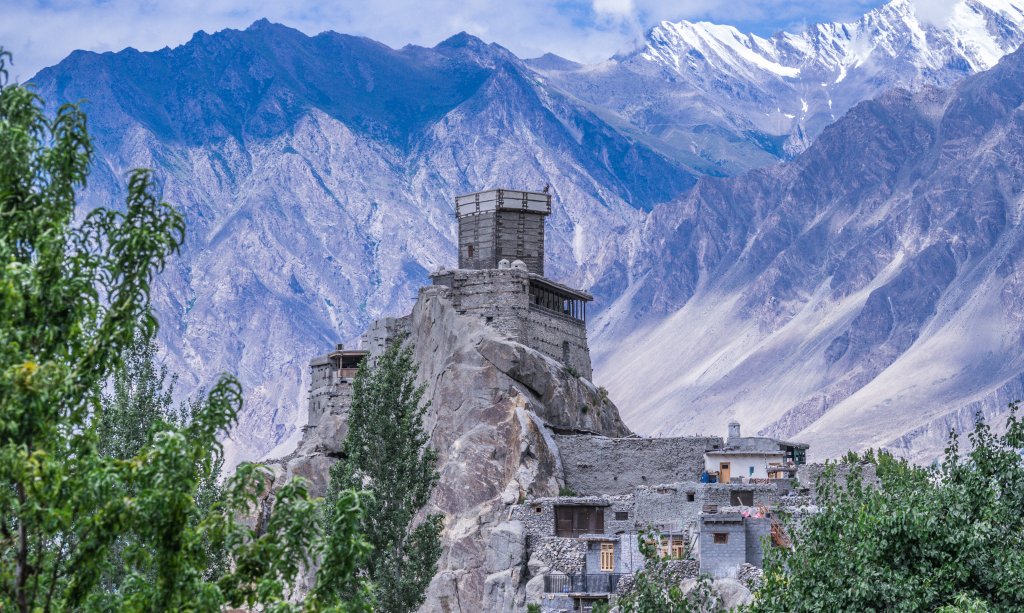
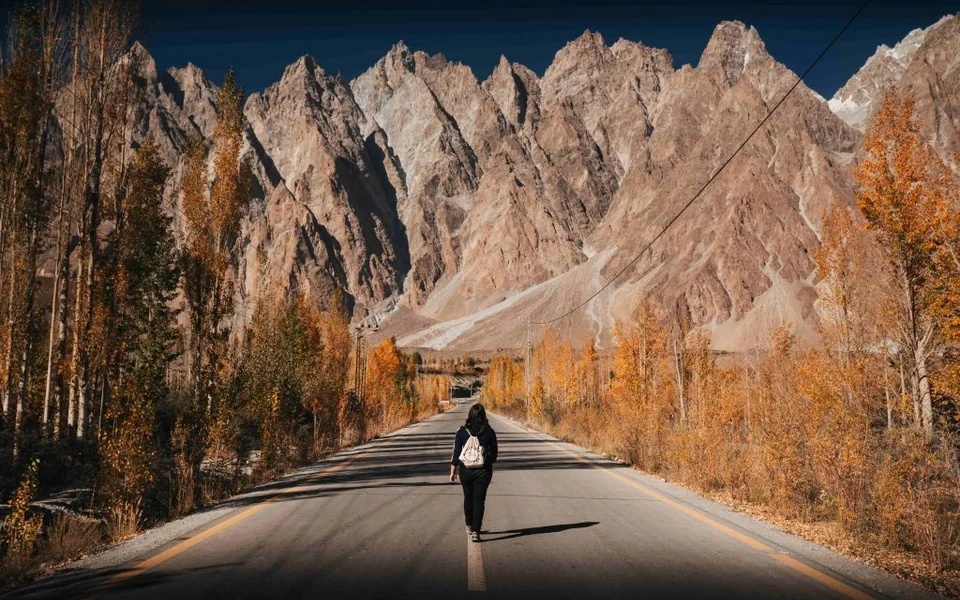
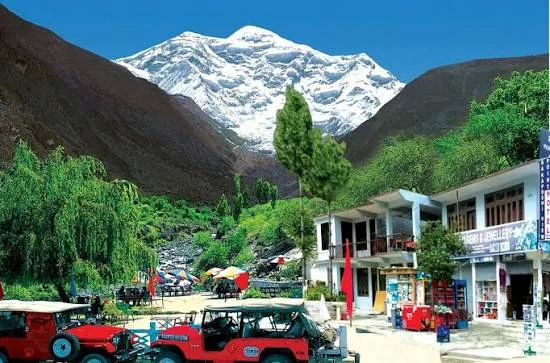
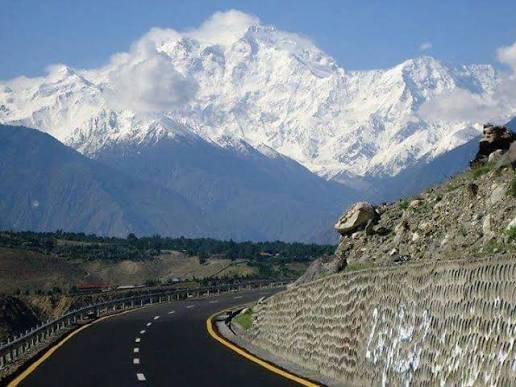
Every well-planned Hunza Valley tour should combine Lower Hunza heritage with Upper Hunza scenery. Start in Karimabad for Baltit Fort, local bazaars and views across the valley, then continue to Eagle’s Nest for sunrise or sunset. Attabad Lake, Passu Cones, Hussaini Suspension Bridge and Khunjerab Pass form the essential Upper Hunza route, while Ganish Village and Altit Fort add history and local culture. Travelers with extra time should include Hopper Glacier in Nagar, Rakaposhi View Point, Borith Lake, Passu Glacier and Naltar Valley. The Nanga Parbat View Point is also a memorable stop when arriving via the Karakoram Highway. These places create a balanced Hunza itinerary for first-time visitors, families, couples, photographers and international travelers, combining mountain landscapes, Silk Road heritage, village life, lakes, glaciers and high-altitude viewpoints without repeating similar stops.
The selected packages below run on a private basis unless identified as a group departure. Prices are starting references; final written quotes depend on group size, hotel category, season, transport and current availability.
| Package | Route Highlights | Starting From | Book |
|---|---|---|---|
| 3 Days Hunza Express Tour | Attabad • Karimabad • Baltit Fort | PKR 29,500 | View Details |
| 4 Days Hunza Valley Tour | Baltit • Altit • Eagle Nest | PKR 39,500 | View Details |
| 5 Days Hunza Family Tour | Karimabad • Attabad • Passu Cones | PKR 49,500 | View Details |
| 6 Days Hunza Complete Tour | Hunza • Hopper • Gulmit • Passu | PKR 59,500 | View Details |
| 7 Days Hunza Khunjerab Tour | Passu • Hussaini • Khunjerab | PKR 69,500 | View Details |
| 8 Days Hunza Nagar Tour | Hunza • Nagar • Hopper Glacier | PKR 78,500 | View Details |
| 9 Days Hunza Culture Tour | Villages • Forts • Food • Music | PKR 86,500 | View Details |
| 10 Days Hunza Adventure Tour | Passu • Borith • Khunjerab • Treks | PKR 89,500 | View Details |
| 12 Days Hunza Explorer Tour | Hopper • Nagar • Upper Hunza | PKR 109,500 | View Details |
| Hunza Honeymoon Package | Luxury stay • Romantic views • Private car | PKR 135,000 | View Details |
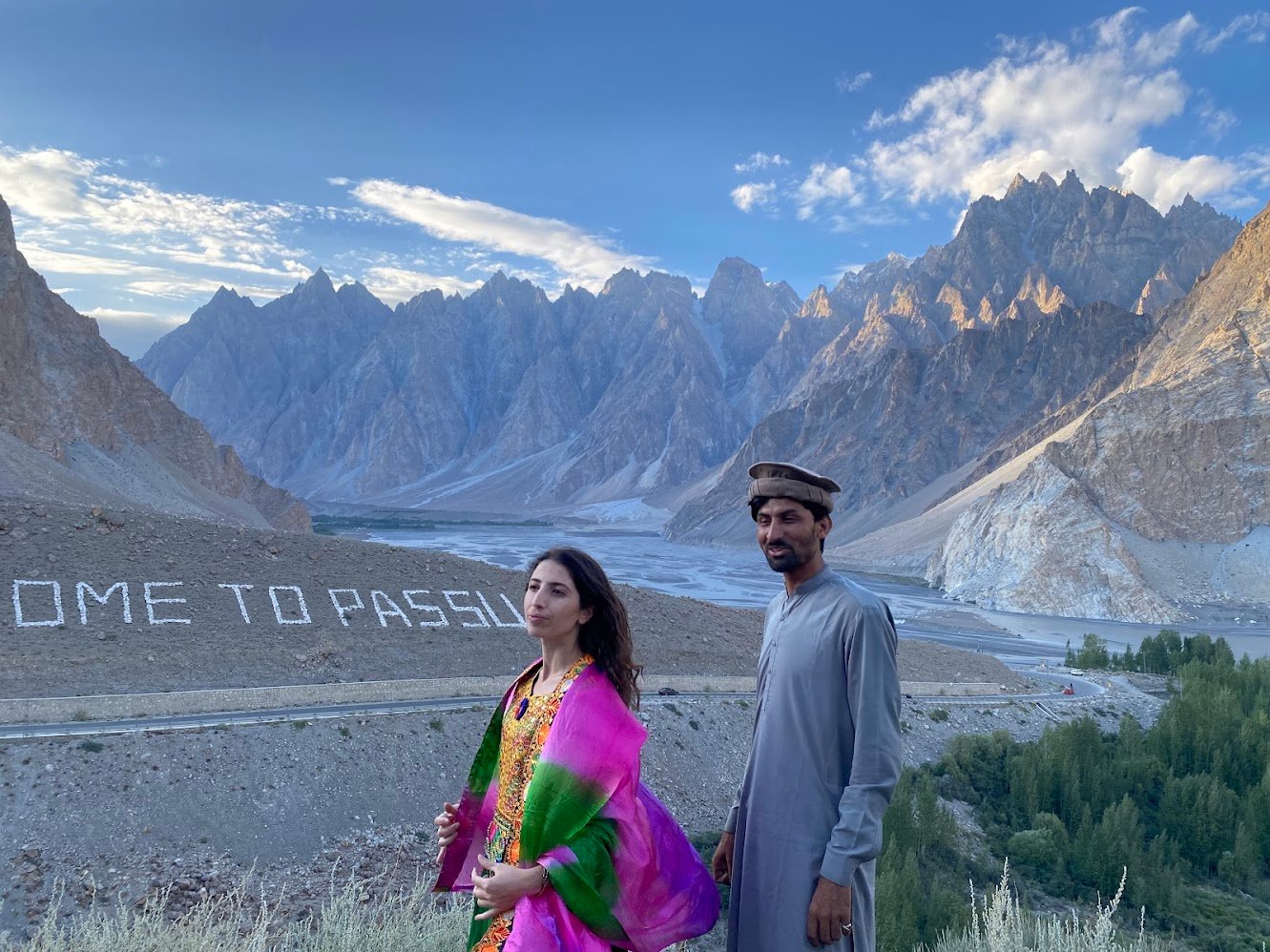
Most Hunza tour packages in Pakistan are shared group departures. Ours never are. Whether you're flying in from Europe, the US or the Gulf: or travelling as a couple or family from Karachi or Lahore: your trip is 100% private and built around you.
Airport pickup, NOC/permit assistance where required, SIM card help, vegetarian & halal options, and guides fluent in English.
Our Hunza operations team plans realistic routes, seasonal access, village visits and viewpoint timing for private travellers.
One written quote covering hotels, transport, fuel, tolls and guide. No surprises at checkout: pay a small deposit, rest on arrival.
Confirmed travellers receive a direct WhatsApp contact for operational updates during their itinerary.
Compare hotel locations and room styles in Karimabad, Aliabad, Attabad Lake, Gulmit, Passu, Sost and Nagar. Starting prices are comparison references; the exact room rate is confirmed for your actual dates before booking. Open the full hotel directory
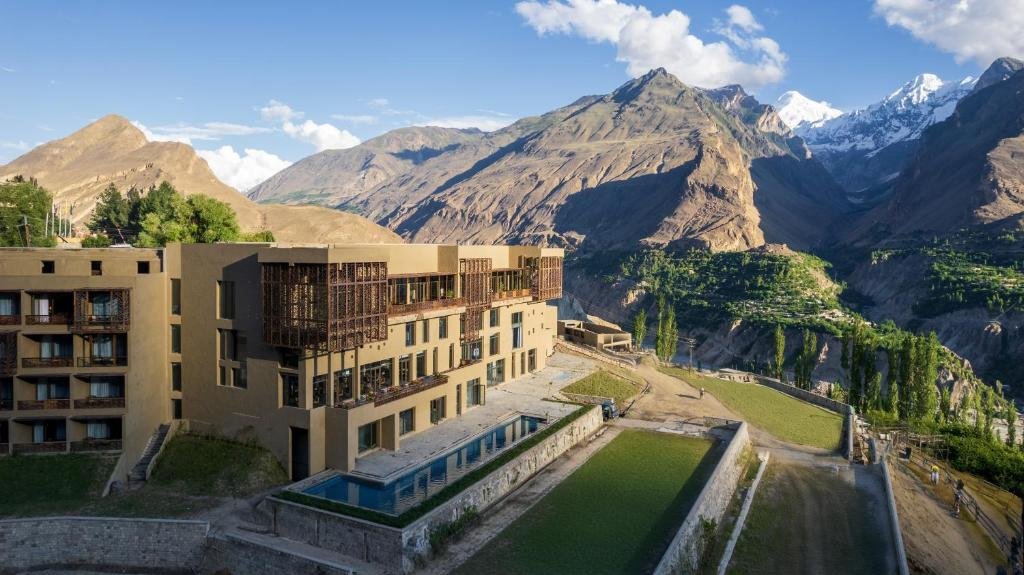 Luxury
 Premium
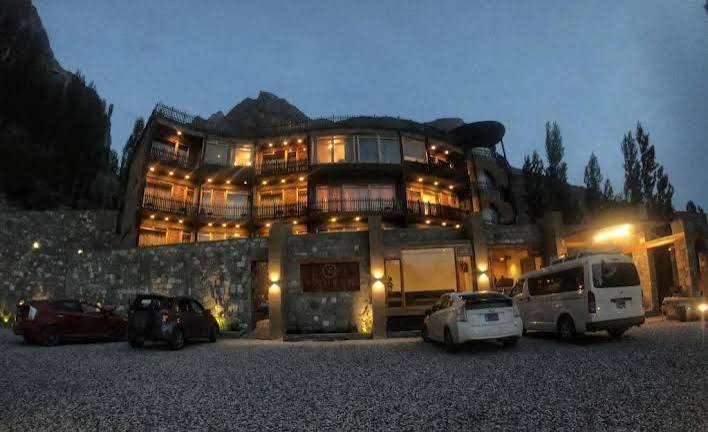 Luxury
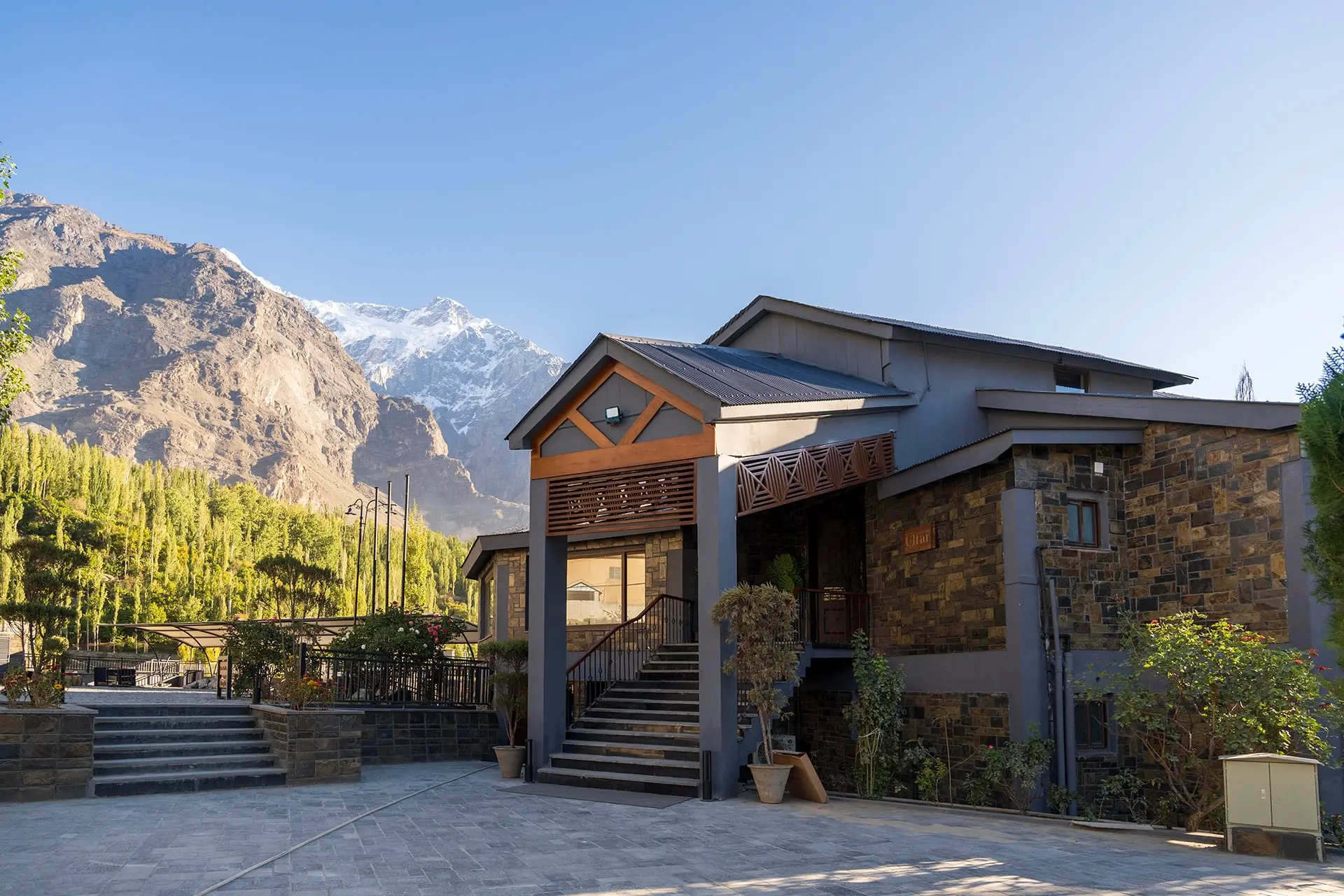 Standard
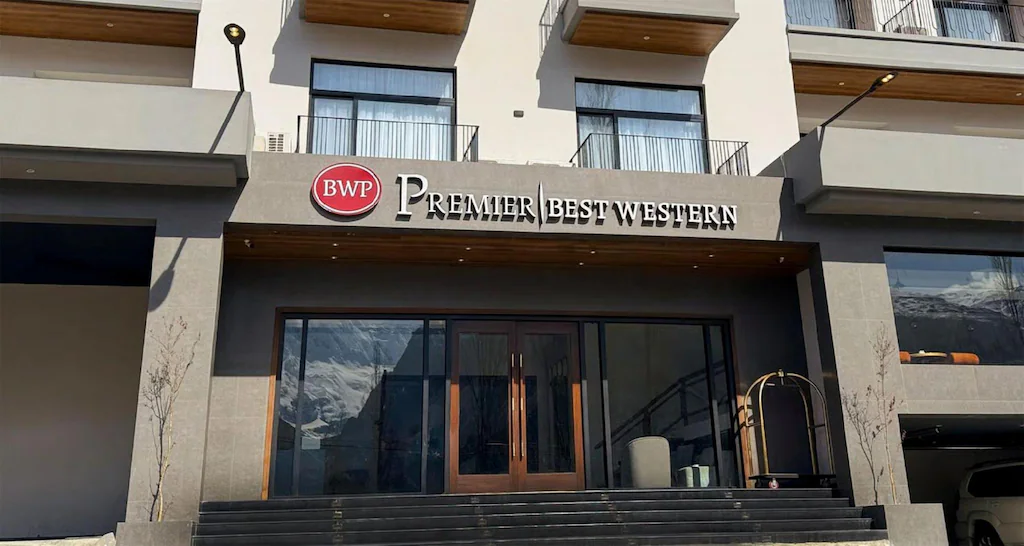 Premium
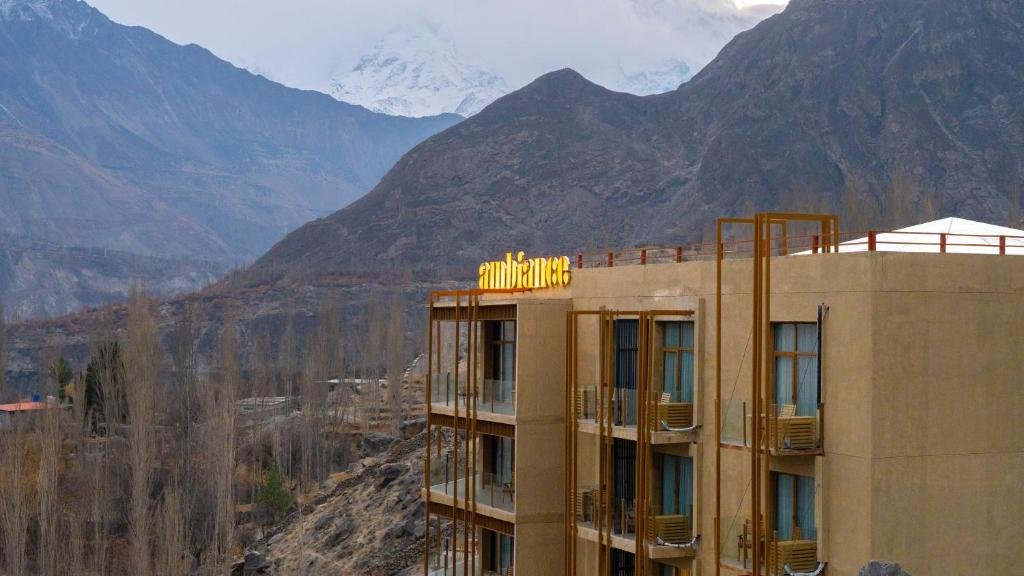 Premium
Rentals use a driver familiar with the confirmed route; fuel, tolls, driver nights and on-trip contact arrangements are stated in the written quote. Book a vehicle for private Hunza day tours, Gilgit Airport transfers, Naltar, Nagar, Passu, Khunjerab and longer Northern Pakistan routes. Self-drive is not offered for these packages.
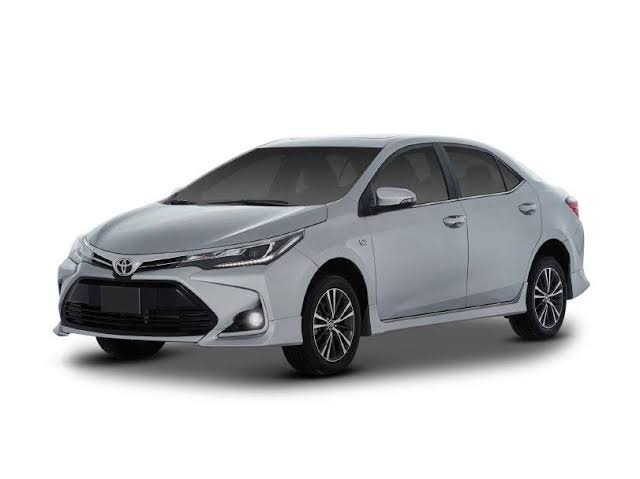
Comfortable sedans for couples and small families on the fully-paved KKH route.
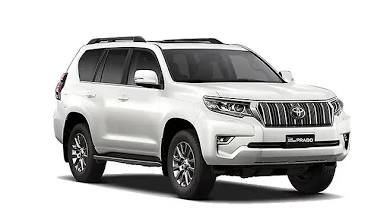
Capable SUVs for Khunjerab, Naltar, Deosai and winter travel: a popular 4x4 class.
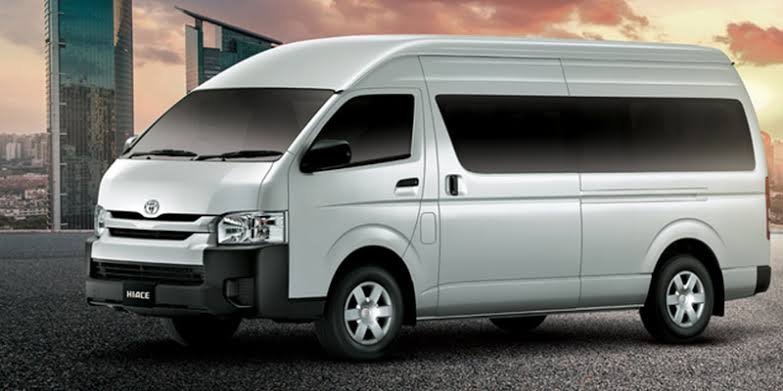
Vans for big families and friend groups, with luggage space for long tours.
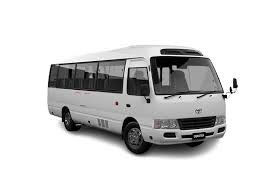
Toyota Coasters for corporate trips, extended families and budget group departures.
Hotels, transport, guide services, meals and exclusions are listed before a deposit is requested, so you can compare the actual service rather than a headline price.
Your confirmed itinerary is matched to the group, season and road conditions. Reasonable changes are discussed with you, and supplier costs are explained before approval.
Confirmed guests receive direct operations contact details for arrival, transfers and route updates. Emergency and weather changes are coordinated with the local team.
Close to booking but torn between two options? These honest side-by-side guides settle the most common northern Pakistan dilemmas: scenery, roads, seasons, budget and who each suits best.
Culture & cafés vs raw landscapes & Deosai: or combine both.
Read comparisonA full week vs one sublime Nanga Parbat view.
Read comparisonWorld-class destination vs summer crowd-pleaser.
Read comparisonFar & grand vs near & green: time decides.
Read comparisonHigh-desert drama vs Neelum’s forests & rivers.
Read comparisonBlossom pink vs October gold: which season?
Read comparisonFlights, backups & which gateway works better.
Read comparisonWhich tour length is actually right for you.
Read comparisonWhere the extra money goes: and when it’s worth it.
Read comparisonThe honest maths on Pakistan’s smaller-than-expected gap.
Read comparisonWhere to sleep: the living base vs the lake resorts.
Read comparison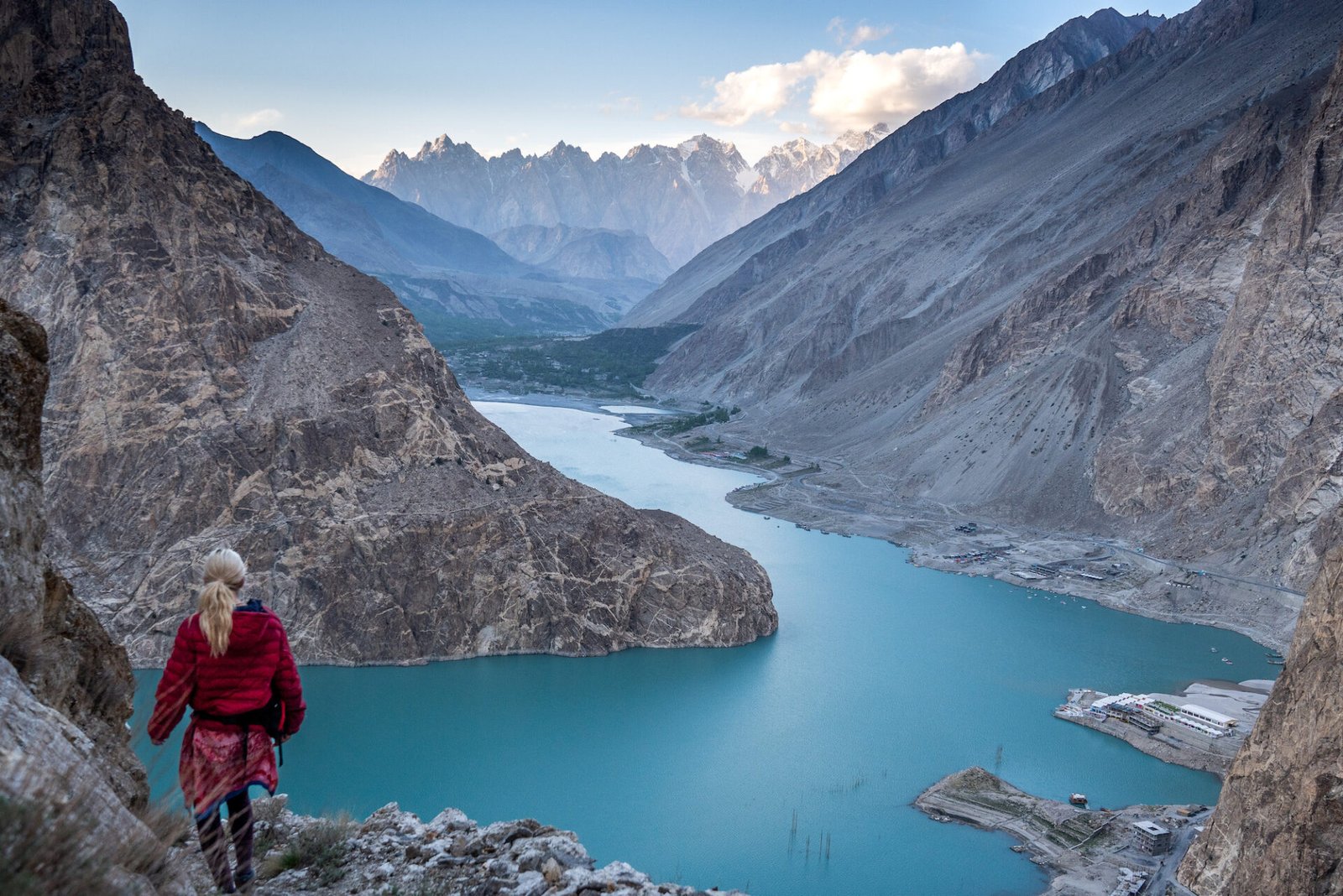
Boating, photography, cafés, the tunnels, lakeside hotels and routes around Hunza’s most famous lake.
Read Guide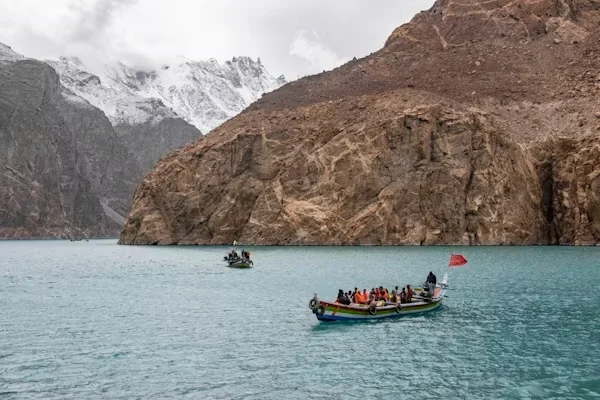
Best viewpoints, travel timing, the Upper Hunza route and nearby stops for the Cathedral Ridge.
Read Guide
Road conditions, altitude tips, border visit timing, wildlife and the best travel season.
Read GuideHistory, tickets, Karimabad bazaar, viewpoints and cultural travel tips for the 700-year-old fort.
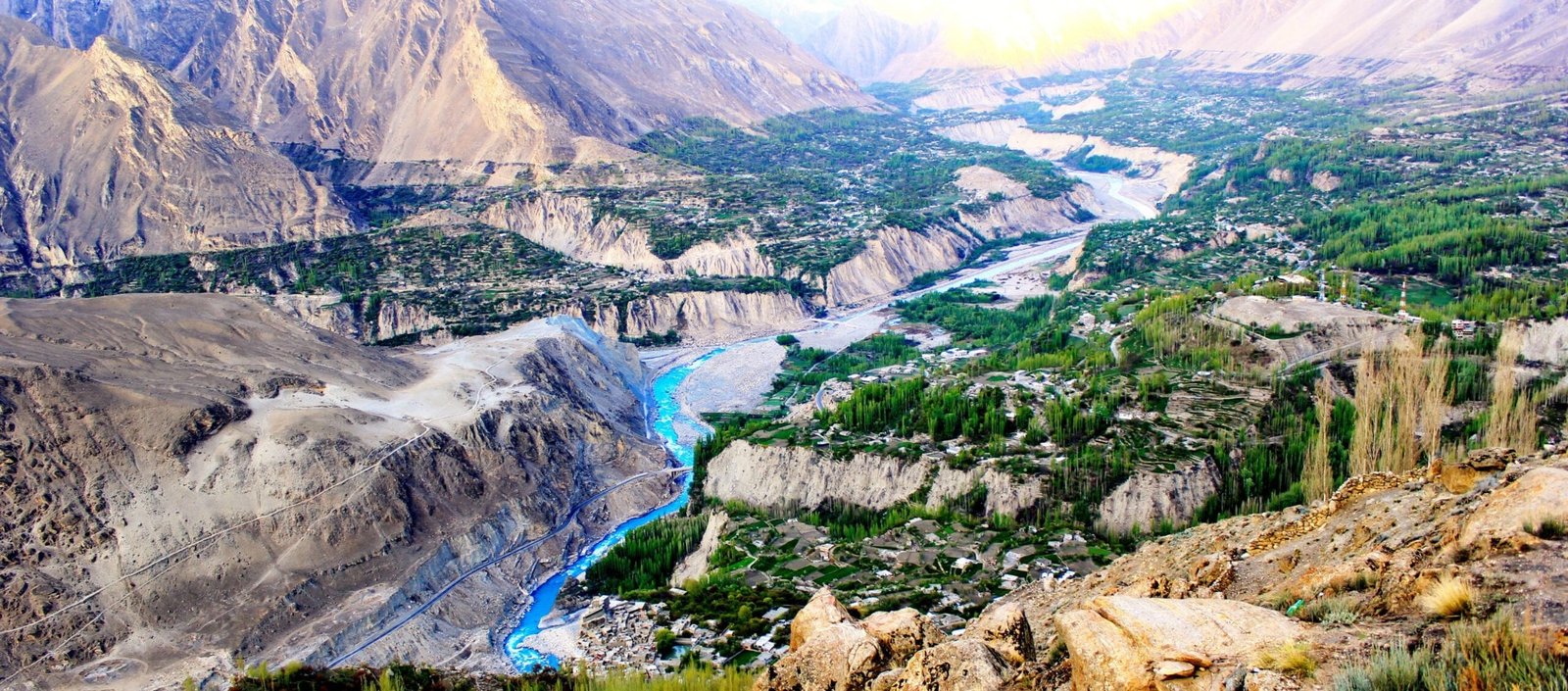
Read GuideHunza Valley is one of the most admired travel destinations in Pakistan because it combines dramatic mountain scenery, ancient heritage, peaceful villages, clean air, friendly people and easy access to the most famous places in Gilgit-Baltistan. Travellers choose Hunza for family vacations, honeymoon trips, photography tours, trekking holidays, cultural journeys and international sightseeing because the valley offers a rare balance of comfort and adventure. Open the full Blog page
Hunza’s history was shaped by the old Silk Route, mountain trade, local kingdoms and cultural exchange between Central Asia, China and the subcontinent. Historic forts such as Baltit Fort and Altit Fort show the architecture and strategic position of the valley: walk through Karimabad, Ganish and Altit to see how mountain communities lived, protected their valleys and preserved their identity for centuries.
The culture of Hunza is known for hospitality, music, traditional food, peaceful village life and deep respect for education. Local languages, festivals, apricot-based foods, walnut cake, herbal teas and village walks make Hunza different from other mountain destinations: visitors often remember the kindness of local people as much as the landscapes.
Hunza is surrounded by some of the Karakoram’s most impressive mountains: Rakaposhi, Ultar Sar, Lady Finger Peak and the Passu peaks: with the legendary Karakoram Highway following rivers, cliffs, tunnels and bridges through the valley. Every season changes the view: blossom in spring, green fields in summer, gold in autumn, snow in winter.
Hunza is widely known for welcoming communities and well-established tourism routes used by both Pakistani and international visitors. Families, honeymoon couples, solo travellers and international guests visit year after year because the atmosphere is calm, communities are friendly and the main tourism routes are well established: with proper planning, first-time visitors experience Hunza comfortably.
Hunza is a year-round destination with a dedicated package for every season: blossom in spring, full access in summer, gold in autumn and snow-quiet in winter. Read the month-by-month guide.
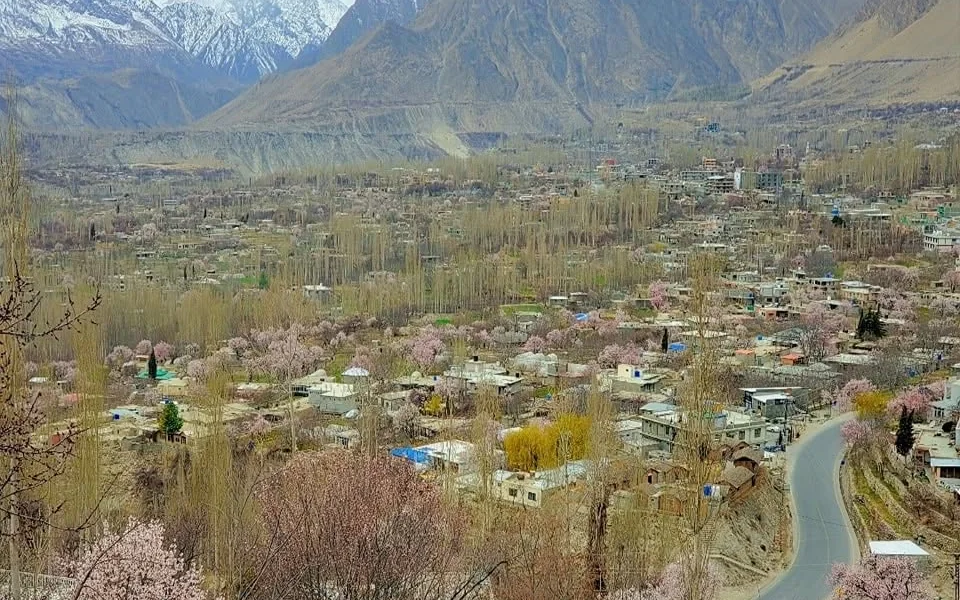 SpringMar to Apr
Apricot, cherry and almond bloom tracked daily by our local team: the valley in pink and white against snow peaks.
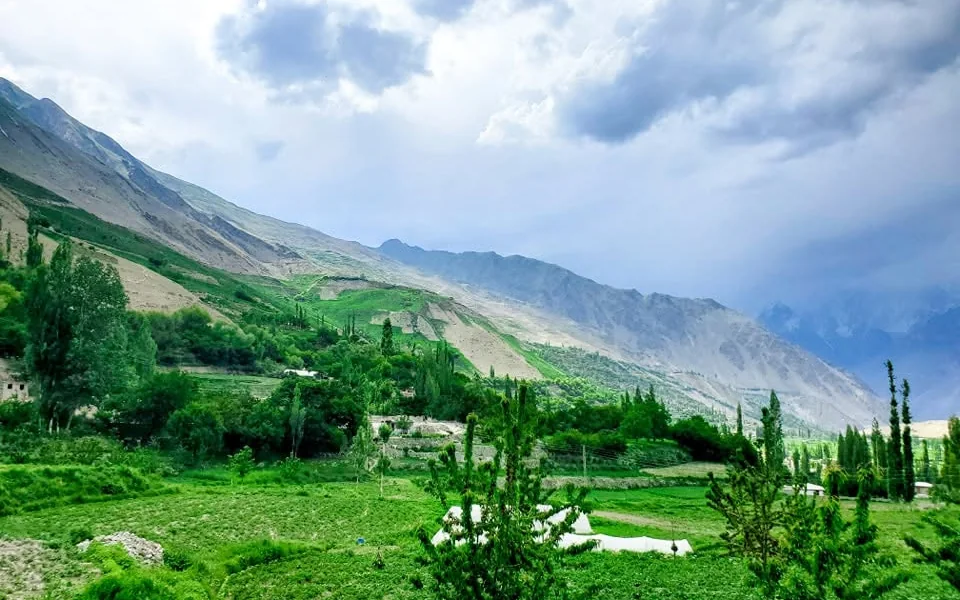 SummerJun to Aug
Broad seasonal road access, including Babusar and Khunjerab when conditions allow: full boating season, apricot orchards and 15-hour days for the complete circuit.
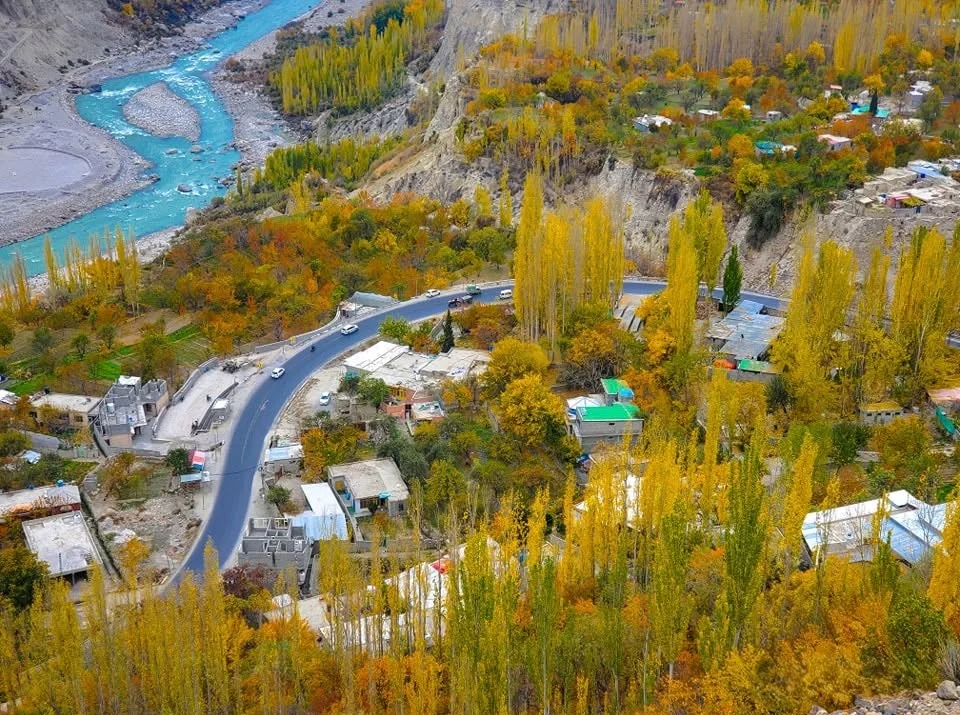 AutumnOct to Nov
Golden poplars, crimson orchards, sharp blue skies and thin crowds: many call mid-October Hunza’s finest fortnight.
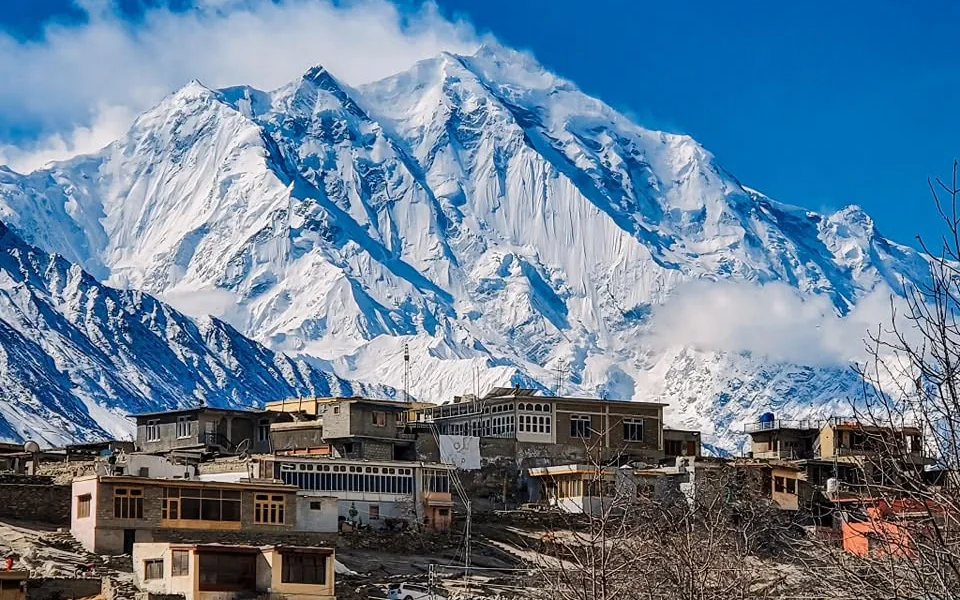 WinterDec to Feb
Snow-covered forts, empty viewpoints, the lake’s deepest blues and the year’s friendliest hotel rates: by 4x4 with winter drivers.
Domestic private tours start at PKR 29,500 per person for 3 days, PKR 49,500 for the 5-day family tour and PKR 69,500 for 7 days with Khunjerab Pass, up to PKR 125,000 for the luxury tier. International travellers pay from USD 850 for the fully private 7-day Explorer with English guide. Every quote is fixed and itemised: see the complete price table above.
Hunza has a long tradition of hosting international travellers, but conditions can change. Follow current government travel advice, carry required identification, respect local instructions and use realistic road and weather plans. Confirmed guests receive an on-trip operations contact.
April to May for apricot and cherry blossom, June to August for green summer landscapes and open Khunjerab Pass, and October for golden autumn colours. Winter tours run for snow lovers with proper 4x4 vehicles.
Every trip is 100% private: your own vehicle, driver and guide. We never merge bookings, which is exactly why couples, families and international travellers choose us.
No special permit is needed for Hunza itself on a valid Pakistan visa. Khunjerab Pass requires a small entry fee, and we arrange any registration formalities along the route for you.
5 days covers central Hunza (Karimabad, Attabad, Eagle's Nest). 7 days adds upper Hunza and Khunjerab Pass. 8 to 10 days lets you combine Hunza with Skardu or add a trek. Flying Islamabad to Gilgit saves two road days if you're short on time.
From Islamabad: PKR 29,500 (3 days) to PKR 69,500 (7 days with Khunjerab) per person by road. From Lahore: the dedicated 7-day tour costs PKR 68,500 with home pickup. From Karachi: PKR 74,500 for 8 days plus flights: we receive you at Islamabad airport. International travellers: from USD 850 per person, airport pickup and e-Visa support included.
Hunza offers easier roads, milder weather, more hotels and richer village culture (forts, blossoms, Khunjerab). Skardu offers wilder high-altitude scenery (Deosai, Basho, cold desert). Couples and first-timers usually prefer Hunza; if you have 8+ days, our Hunza + Skardu combo covers both.
Absolutely: customisation is free. Tell us your dates, budget and interests (photography, trekking, culture, honeymoon) and we'll design the itinerary from scratch within 12 hours.
Get a tailored Hunza tour package with fixed pricing: no advance payment to receive your itinerary.